
The Ultimate Guide to Apartment Building Pest Control in Manhattan
Why Pest Control in Manhattan Apartment Buildings Is So Hard to Get Right
If you manage or own a building and you’re looking for apartment building pest control in Manhattan, here is what you need to know upfront:
- Landlords are legally responsible for pest control in NYC rental buildings under Local Law 55 and the Housing Maintenance Code
- The three most common pests in Manhattan apartment buildings are cockroaches, rodents, and bed bugs
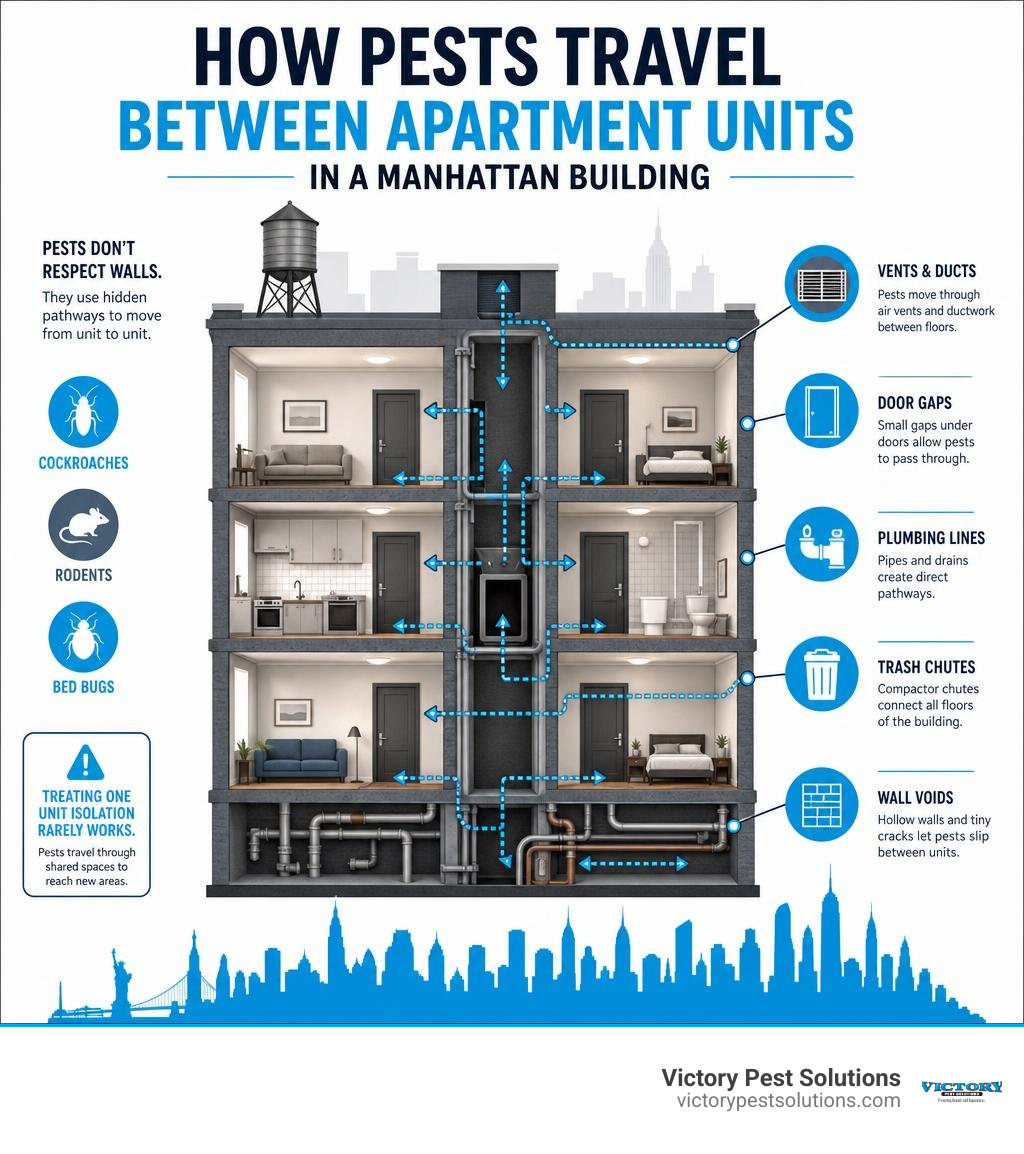
- Treating one unit in isolation almost never works — pests travel through shared walls, utility lines, and trash chutes to neighboring units
- Building-wide Integrated Pest Management (IPM) is the legally recommended and most effective approach
- Costs range from $250–$700 for one-time treatments to $100–$200/month for ongoing contracts, with bed bug heat treatment running $1,500–$5,000+ per unit
- File an HPD complaint via 311 if your landlord fails to act on a reported infestation
Manhattan is one of the densest places on Earth to live. That density is exactly what makes pest problems here so much harder to solve than anywhere else in the country. NYC pest control prices run 30–60% higher than national averages, and in some neighborhoods, nearly half of all households report seeing cockroaches every single day. When pests find a way into one unit, the shared walls, pipes, and compactor chutes of a typical Manhattan apartment building give them a highway to every other unit on the floor.
I’m Len Oppenberg, founder of Victory Pest Solutions, and after more than two decades working in commercial pest control — including years specializing in high-urgency environments like healthcare facilities — I’ve seen how quickly an untreated infestation can spiral in a multi-unit building. In this guide, I’ll walk you through everything you need to know about apartment building pest control in Manhattan, from your legal obligations to the most effective treatment strategies available today.
The Reality of Apartment Building Pest Control in Manhattan
Living in Manhattan means embracing vertical living, historic architecture, and incredible density. Unfortunately, those same features make multi-family housing a paradise for urban pests. When we discuss Areas We Serve/New York City Pest Control Services, we always emphasize that an apartment building is not just a collection of isolated homes; it is a single, massive, interconnected ecosystem.
The Connected Ecosystem of Multi-Family Buildings
If you live in a high-rise in Midtown or a historic pre-war brownstone on the Upper West Side, your home shares floors, ceilings, and walls with multiple neighbors. Pests do not respect lease agreements or apartment numbers. They travel easily through:
- Shared wall voids and pipe chases
- Electrical conduits and utility penetrations
- Steam tunnels and heating ventilation ducts
- Trash chutes and basement compactor rooms
Because of this interconnectedness, treating only the apartment where a tenant complained is a temporary patch job. If a technician sprays a single kitchen for German cockroaches, the surviving pests will simply scatter through the wall outlets into the adjacent apartments. Once the chemical dissipates, they will return. To achieve permanent results, we must look at the building as a whole and implement proactive Rat Control Nyc Apartment Buildings and comprehensive insect exclusion programs.
The Role of Older Infrastructure and Trash Compactors
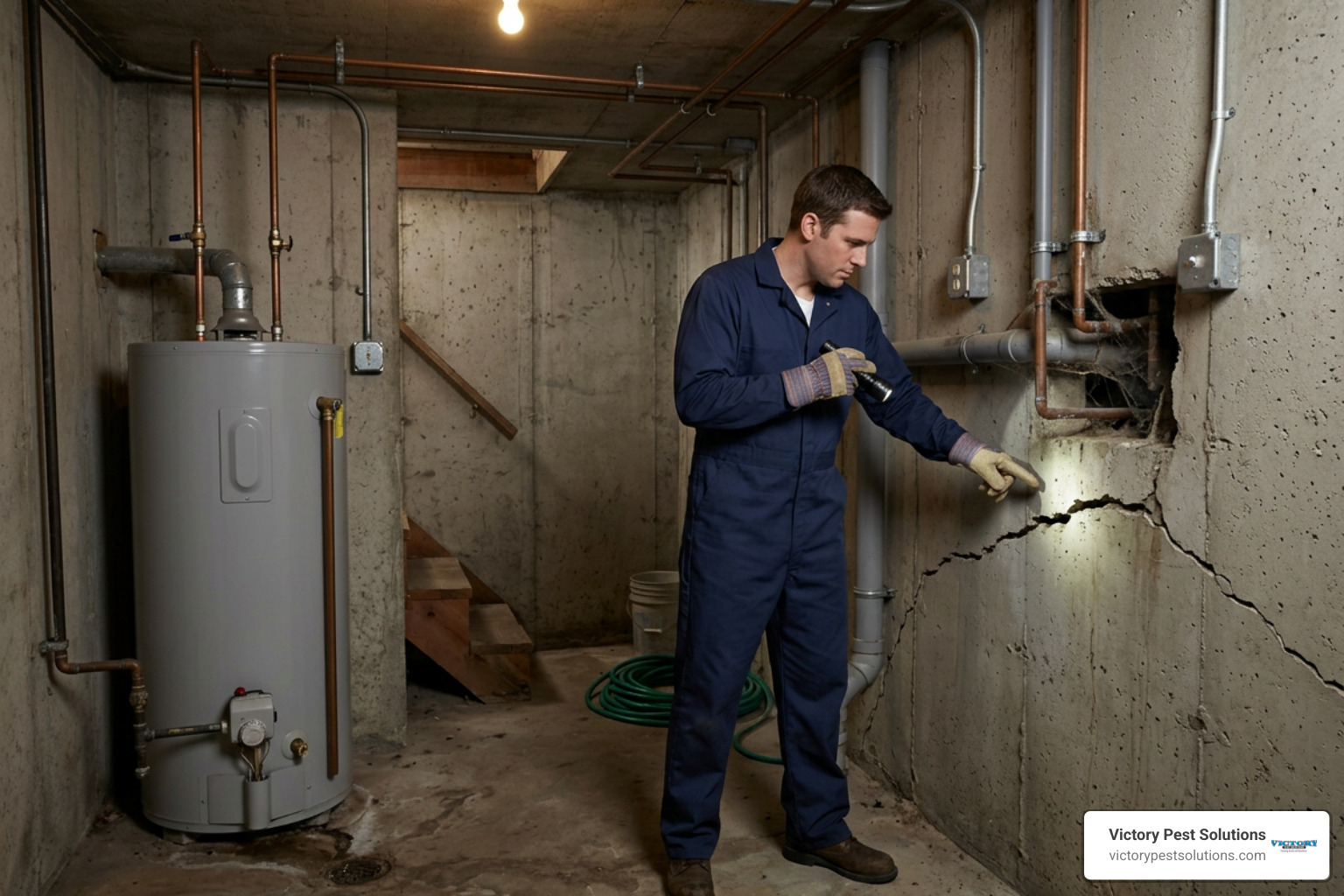
Manhattan’s charm lies in its history, but older buildings come with structural vulnerabilities. Settling foundations, warped door frames, and aging brickwork create tiny gaps that invite pests inside. Additionally, centralized trash rooms and compactor chutes are major pest magnets.
Without regular maintenance, organic debris builds up inside the chutes, creating a perfect breeding ground for flies and cockroaches. Ejector pits in basements can also collect organic gunk, leading to severe pest pressures if left neglected. To prevent these issues, we recommend reading about the Common Pests In Nyc Commercial Spaces to understand how easily pests exploit these building vulnerabilities.
Why DIY Fails for Apartment Building Pest Control in Manhattan
When a tenant spots a cockroach or a mouse, their first instinct is often to run to the local hardware store and buy over-the-counter sprays, dusts, or foggers. While well-intentioned, DIY pest control in a Manhattan apartment building almost always makes the problem worse.
- Chemical Resistance: Urban pests, particularly German cockroaches, have developed a high resistance to common pyrethroid-based store sprays. These sprays often act as repellents rather than lethal treatments, causing the colony to scatter deeper into the walls and spread to adjacent apartments.
- The Danger of Foggers (“Bug Bombs”): Aerosol foggers do not penetrate the deep cracks and crevices where pests actually harbor. Instead, they coat open surfaces with pesticide residue, posing health risks to residents and pets while driving the target pests further into protected wall voids.
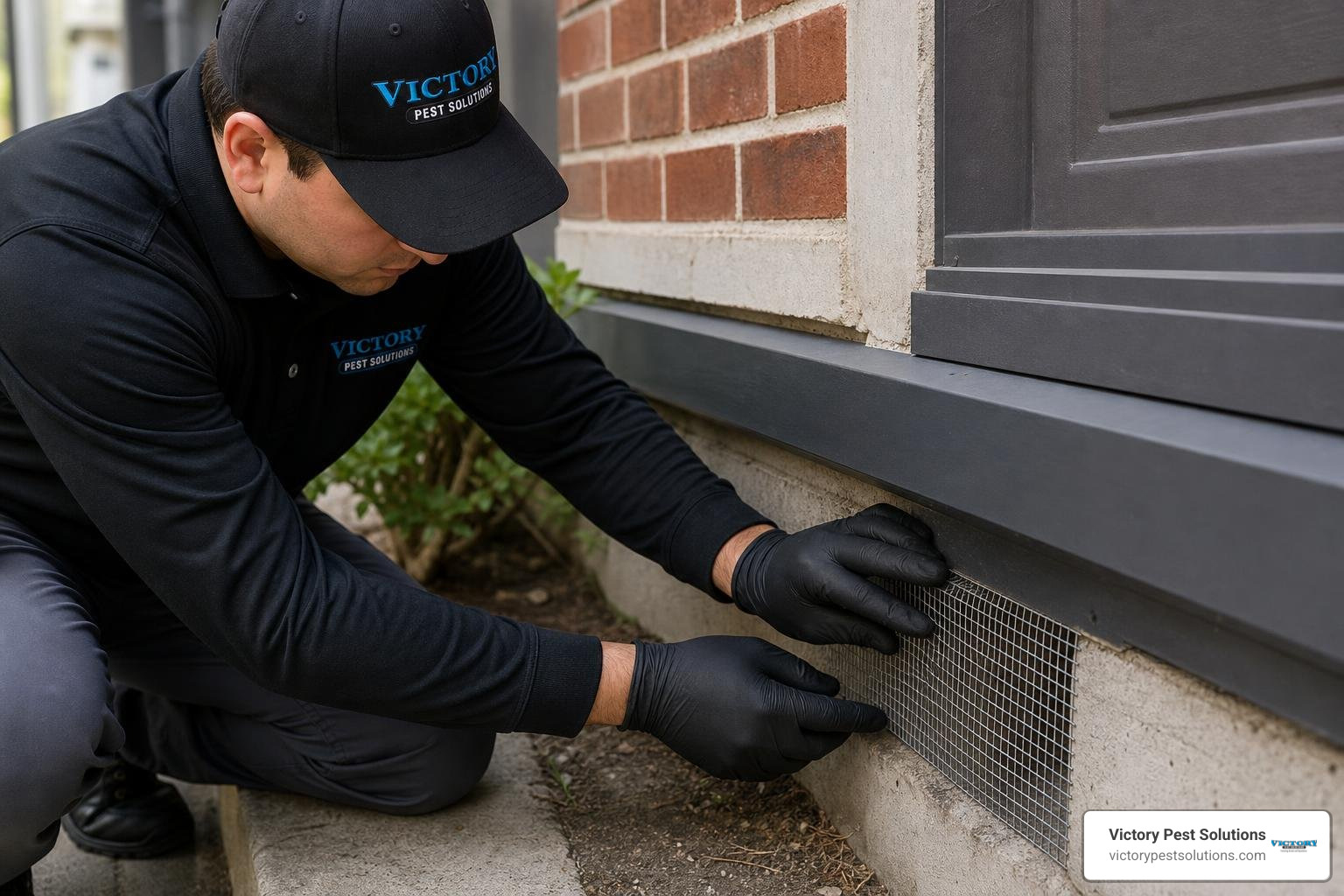
- Lack of Exclusion: Putting down traps or spraying chemicals will not solve a rodent problem if the physical entry points remain open. A mouse can squeeze through a hole the size of a dime. Professional Nyc Rodent Control Mice Rat Exterminators focus heavily on structural exclusion—using materials like heavy-gauge metal mesh and copper stuff-fit rather than cheap expanding foam, which rodents can easily chew through.
- Targeted Solutions Work Best: Professional treatments, such as our services/commercial cockroach control services, utilize advanced gel baits and Insect Growth Regulators (IGRs) that disrupt the pests’ reproductive cycles, wiping out the colony at its source without contaminating the living space.
Common Pests and Their Associated Health Risks
Pests are more than just an embarrassing nuisance; they pose documented health and safety risks to building residents. High-density urban environments amplify these risks, making swift, professional intervention essential.
Cockroach Allergens and Asthma
Asthma affects over 1 million New Yorkers, and the connection between indoor pests and respiratory health is deeply documented. Cockroach droppings, saliva, and shedding skin contain potent proteins that trigger severe allergic reactions and asthma attacks, particularly in young children.
According to the Pest Control Information for Building Residents and Tenants – NYC Health , nearly 50% of households in certain high-density NYC neighborhoods report daily cockroach sightings. This constant exposure is a leading driver of pediatric asthma hospitalizations in the city. To protect your family or tenants, it is vital to understand these Cockroach Health Risks And Diseases.
Rodent Vectors and Property Damage
Mice and rats carry pathogens that cause diseases like leptospirosis and salmonella. Beyond the biological hazards, rodents have a biological need to gnaw on hard surfaces to keep their teeth filed down. They regularly chew through drywall, wooden supports, and electrical wiring, which can lead to expensive repairs or even spark electrical fires. Reviewing What Damage Can Rodents Cause highlights why proactive rodent management is a critical component of building maintenance.
Legal Responsibilities and NYC Housing Regulations
In New York City, maintaining a pest-free home is not just a matter of comfort; it is a strict legal requirement. The city’s laws place the administrative and financial burden of pest control squarely on the building owners and property managers.
Tenant Rights and Landlord Obligations
Under the NYC Housing Maintenance Code, landlords are legally required to keep residential properties free of pests, mold, and other indoor allergens. This legal concept is known as the “Warranty of Habitability.” Tenants have the right to a safe, clean, and livable home. If a tenant reports a pest issue, the landlord must take prompt action using licensed professionals. For a detailed breakdown of these rules, you can read more about Landlord Responsibilities Pest Control.
If a landlord fails to address an infestation, the tenant has the right to file a formal complaint by calling 311 or visiting the NYC 311 portal. This often triggers an inspection by the Department of Housing Preservation and Development (HPD), which can result in severe violations, fines, and court orders forcing the landlord to remediate the issue. To understand the legal framework, check out the Pest Control Law NYC.
Local Law 55 and the Asthma-Free Housing Act
Passed in 2018, Local Law 55 (the Asthma-Free Housing Act) completely changed how NYC handles pest control in multi-unit buildings. It mandates that owners of residential buildings with three or more units must proactively identify and eliminate indoor allergen hazards, including mold, cockroaches, and rodents.
Under Local Law 55, landlords cannot simply wait for a tenant to complain. They are required to:
- Conduct annual inspections of all rental units and common areas for indoor allergens.
- Use Integrated Pest Management (IPM) practices to resolve pest issues safely.
- Seal all entry points, cracks, and crevices to prevent pest migration.
- Avoid the use of highly toxic chemical sprays or illegal pesticides.
- Provide new tenants with a formal disclosure notice outlining the building’s pest and mold history.
Failure to comply with these rules can lead to HPD Level 3 violations, which carry heavy financial penalties. To ensure your building remains compliant, we recommend reviewing the NYC Health Department Pest Control Rules.
Local Law 69 and Bed Bug Reporting
Bed bugs are a unique challenge in Manhattan’s high-density housing. To track and curb infestations, NYC enforces Local Law 69, which requires residential property owners to submit an annual bed bug report to HPD.
- Annual Filings: Every December, building owners must file a report detailing the number of units treated for bed bugs or found to have bed bug activity during the preceding year.
- Public Disclosure: Landlords must post this bed bug history in a prominent common area of the building (such as the lobby or mailroom) or distribute it directly to tenants upon lease renewal.
- A Special Case: Bed bugs are highly transmissible. If a bed bug infestation is detected in one apartment, the landlord is legally responsible for inspecting all immediately adjacent units (left, right, above, and below) to ensure the bugs have not migrated. For advanced eradication options, read about our specialized services/bed bug solutions.
Integrated Pest Management (IPM): The Gold Standard for Multi-Family Buildings
In the past, pest control often meant a technician walking through an apartment with a tank sprayer, putting down heavy chemical barriers, and leaving. Today, we know that this reactive approach is ineffective and potentially harmful in multi-family settings.
At Victory Pest Solutions, we utilize Integrated Pest Management (IPM). IPM is a science-backed, eco-friendly approach that focuses on long-term prevention by addressing the root causes of pest infestations.
The Core Pillars of IPM
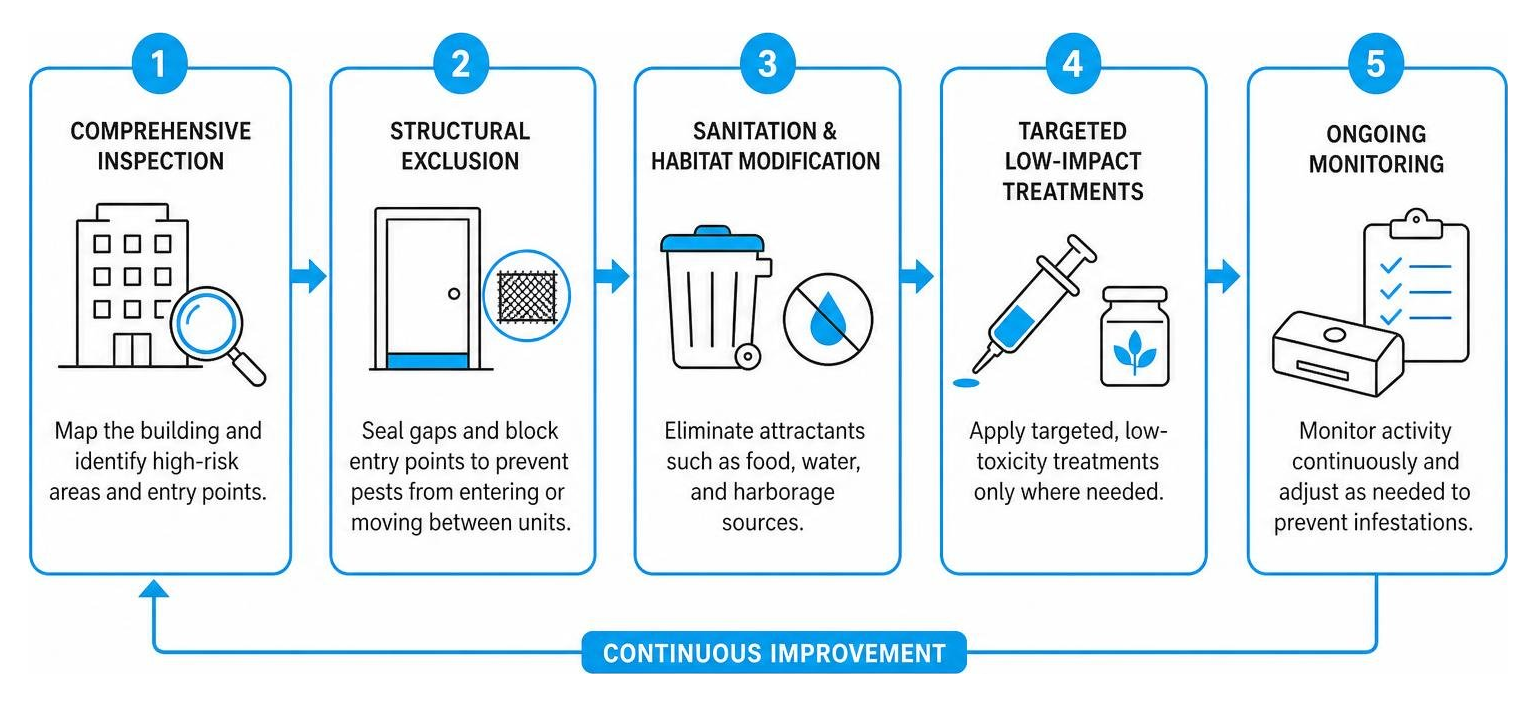
Rather than relying solely on chemical treatments, IPM combines multiple strategies to create a hostile environment for pests:
- Comprehensive Inspection: We map out the building, identifying high-risk areas like trash chutes, utility closets, basements, and compactor rooms.
- Structural Exclusion: We physically block pests from entering the building or traveling between units by installing heavy-duty door sweeps, sealing cracks, and closing utility gaps with durable metal mesh.
- Sanitation and Habitat Modification: We work with building staff to eliminate pest attractants, such as standing water, exposed garbage, and organic build-up in trash chutes.
- Targeted Low-Impact Treatments: When chemical intervention is necessary, we use highly targeted, low-toxicity options like gel baits, boric acid dusts, and botanical insecticides derived from natural plant oils. These products are safe for children and pets while highly lethal to target pests.
- Ongoing Monitoring: We place discreet monitoring stations in strategic locations to catch pest activity early, preventing minor issues from turning into building-wide emergencies.
To see how we apply these principles in high-standard environments, check out our guide on Integrated Pest Management Nyc Restaurants.
How to Choose the Best Apartment Building Pest Control in Manhattan
Hiring the right pest control partner is crucial for protecting your property’s reputation, maintaining tenant satisfaction, and staying compliant with NYC laws. Here is what you should look for when evaluating local providers:
- Licensing and Certification: Ensure the company is fully registered with the New York State Department of Environmental Conservation (NYSDEC) and that all technicians hold active commercial pesticide applicator licenses.
- Commercial Expertise: Residential pest control in a suburban single-family home is vastly different from managing a 40-story Manhattan high-rise. Choose a provider with a proven track record in high-density commercial and multi-family properties.
- Exclusion-First Methodology: Ask potential providers how they handle rodents. If they only offer bait stations and traps without a comprehensive plan to seal physical entry points, look elsewhere.
- Advanced Tracking and Portals: Modern property management requires transparent documentation. Look for companies that provide 24/7 digital client portals where you can access time-stamped service reports, photos of completed exclusion work, and chemical application logs. This paperwork is your shield against HPD violations.
- Discreet and Professional Service: In luxury co-ops and high-profile Manhattan buildings, discretion is key. Your pest control partner should offer unmarked service vehicles and flexible, low-profile scheduling to prevent resident panic.
The Financial Cost of Extermination in NYC
Because of Manhattan’s density, structural complexity, and strict licensing requirements, pest control prices in the city run 30–60% higher than national averages. However, investing in proactive, building-wide maintenance is always more cost-effective than paying for emergency treatments and city fines.
Treatment Costs: One-Time vs. Monthly Maintenance
Below is a general breakdown of typical pest control pricing in the Manhattan market for 2026:
| Service Type | Average Price Range | What Is Included / Key Factors |
|---|---|---|
| One-Time Treatment (Minor Pest) | $250 – $700 | Targeted treatment for cockroaches, ants, or minor pests in a single unit. |
| Monthly Building Contract | $100 – $200 / month | Ongoing building-wide monitoring, common area treatments, and compactor room maintenance. |
| Rodent Exclusion Work | $500 – $2,000+ | Sealing foundation gaps, utility lines, and door sweeps using heavy-gauge metal. |
| Bed Bug Heat Treatment | $1,500 – $5,000+ | Thermal remediation of a single unit; highly effective, single-visit solution. |
| Bed Bug Chemical Treatment | $500 – $1,500 | Multi-visit chemical application; requires extensive tenant preparation. |
Key Factors That Influence Pricing
Several variables affect the final cost of a pest control program:
- Building Size and Age: Older pre-war buildings with complex layouts and historic infrastructure require more labor-intensive exclusion work than modern glass high-rises.
- Infestation Severity: A localized roach problem is far less expensive to treat than a deep-seated, building-wide infestation that has spread through the utility lines.
- Exclusion vs. Baiting: While putting down traps is cheap, performing permanent structural exclusion work requires specialized materials and labor, which increases the upfront cost but saves money over time.
For property managers looking to protect their entire portfolio, our NYC Pest Management Services Commercial page offers customized, budget-friendly contract options.
Frequently Asked Questions About NYC Apartment Pests
Who pays for pest control in a Manhattan rental apartment?
Under NYC’s Housing Maintenance Code, the landlord is legally responsible for all pest control costs in a rental building. This includes the cost of treating individual units, common areas, and performing structural exclusion work.
The only exception is if the landlord can prove that the tenant’s extreme neglect or unsanitary living conditions directly caused the infestation. However, the legal burden of proof is very high, and landlords must still remediate the issue immediately to maintain building-wide safety.
How do exterminators handle bed bugs in multi-unit buildings?
Eradicating bed bugs in an apartment building requires a highly coordinated, systematic approach:
- K-9 Scent Detection: We often deploy specially trained bed bug detection dogs, which can locate bed bug harborages with up to 97% accuracy, far outperforming human-only visual inspections.
- Adjacent Unit Inspections: Because bed bugs travel easily through wall voids, we inspect all units immediately adjacent to the infested apartment.
- Heat Treatment (Thermal Remediation): We raise the temperature of the infested unit to over 120°F using specialized heaters. This heat penetrates deep into mattress seams, walls, and furniture, killing all bed bug life stages—including eggs—in a single visit.
- Preparation Protocols: We provide tenants with clear, bilingual preparation checklists to ensure their belongings are properly arranged for a successful treatment.
What are the red flags when hiring a Manhattan pest control company?
Avoid companies that exhibit any of the following warning signs:
- No NYSDEC License: Never hire an exterminator who cannot instantly provide their DEC pesticide applicator license number.
- Lack of Written Guarantees: Reputable companies stand behind their work with clear, written service guarantees.
- Vague, “One-Size-Fits-All” Plans: Every building is unique. If a company offers a quote without performing a physical inspection or detailing their exclusion plan, they are likely cutting corners.
- Inadequate Insurance: Multi-family pest control requires significant liability coverage. Ensure your provider carries at least $3,000,000 in liability insurance and can provide a Certificate of Insurance (COI) naming your building as an additional insured.
Secure Your Building with Proactive Pest Management
At Victory Pest Solutions, we understand that managing a Manhattan apartment building is a high-pressure job. Between regulatory compliance, tenant demands, and building maintenance, you already have enough on your plate. Pest control shouldn’t be another source of stress.
We provide comprehensive, proactive pest management programs tailored specifically to the unique architectural and administrative demands of Manhattan real estate. With our 24/7 emergency support, cutting-edge Integrated Pest Management strategies, and transparent digital reporting, we keep your properties compliant, your tenants happy, and the pests out.
Whether you are dealing with a persistent pest issue or looking to establish a preventative maintenance program, we are here to help. We serve properties across Manhattan, Brooklyn, Queens, the Bronx, Staten Island, Nassau County, Westchester County, and surrounding areas.
Ready to protect your building?
- Explore our comprehensive commercial pest control services.
- Read our testimonials to see why NYC property managers trust us.
- Learn more about our team and values on our Why Victory page.
- Have a question? Check out our faq or contact us today to schedule your free, on-site building assessment!