
Cockroach Health Risks and Diseases: What You Need to Know to Stay Safe
Cockroaches are among the most resilient and widespread pests in urban areas, and their impact goes far beyond being a mere nuisance. As carriers of various pathogens, they can pose severe health risks to humans. Cockroaches carry bacteria, fungi, and parasites that can lead to allergic reactions, respiratory issues, and the spread of harmful diseases.
Our “Cockroach Health Risks, Infections and Diseases” guide explores how cockroaches contribute to health risks, what diseases they can transmit, and why professional intervention is essential to mitigate these threats.
Cockroaches: The Unseen Health Hazard to Humans
Cockroaches thrive in dark, warm, and humid environments, making them especially prevalent in kitchens, bathrooms, basements, and trash areas. Their scavenging habits lead them to food residues, organic matter, and waste, where they pick up bacteria and other pathogens. Due to their fast reproductive rate and high adaptability, they can spread quickly, increasing the chances of contamination wherever they go.
Cockroaches’ flat, flexible bodies and nocturnal habits allow them to crawl into tiny crevices and avoid detection, complicating control efforts. Their ability to carry disease-causing microorganisms and their allergenic properties present a genuine concern, especially in urban centers like New York and New Jersey, where population density and indoor heating systems can facilitate infestations.
Pathogens and Diseases Spread by Cockroaches
Cockroaches carry over 30 types of bacteria and various viruses, fungi, and parasites. They pick up pathogens from sewage systems, garbage, and decaying organic matter, which they then transfer to food surfaces, utensils, and areas where people live and eat.
Some of the most common diseases associated with cockroaches are actual cockroach health risks.
Salmonellosis
Cause: Salmonella bacteria, which can survive on cockroaches for weeks.
Symptoms: Diarrhea, abdominal cramps, and fever.
Transmission: Cockroaches spread the bacteria to food and surfaces through droppings or contact.
Salmonella is one of the most commonly reported foodborne illnesses. Since cockroaches often scavenge in garbage and sewage areas, they’re prone to carrying the bacteria. Once they contaminate food or kitchen surfaces, humans can easily contract salmonellosis.
Gastroenteritis
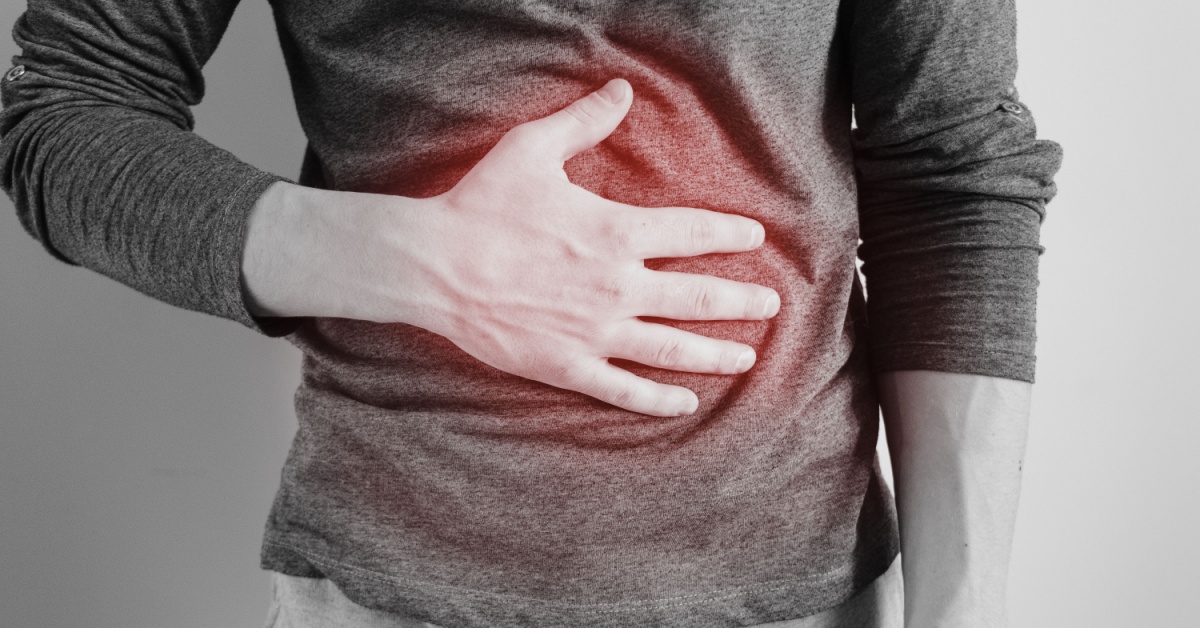
Cause: Various bacteria, including E. coli and Salmonella.
Symptoms: Stomach pain, diarrhea, vomiting, and fever.
Transmission: Via contaminated food or water.
Cockroaches’ saliva, droppings, and body parts can carry and spread these bacteria. Gastroenteritis, a condition where the stomach and intestines are inflamed, often results from consuming contaminated food or water.
Dysentery
Cause: Pathogens such as Shigella bacteria and Entamoeba histolytica (a parasite).
Symptoms: Severe diarrhea, fever, and abdominal pain.
Transmission: Through direct or indirect contact with contaminated food or water.
Cockroaches that come into contact with contaminated materials and surfaces can spread dysentery-causing organisms to humans, leading to dehydration and potential complications, especially in children and the elderly.
E. coli Infections
Cause: E. coli bacteria.
Symptoms: Diarrhea, stomach cramps, and vomiting.
Transmission: Through ingestion of contaminated food.
While E. coli is commonly associated with undercooked meat, cockroaches that crawl through sewage or garbage can transfer this bacteria to kitchen countertops, utensils, and food items.
Listeriosis
Cause: Listeria monocytogenes bacteria.
Symptoms: Fever, muscle aches, and sometimes nausea or diarrhea.
Transmission: Through contaminated food and contact with infected surfaces.
Although Listeria infections are rare, they are particularly dangerous for pregnant women, newborns, the elderly, and individuals with weakened immune systems.
Cockroach Allergens and Respiratory Issues
In addition to cockroach health risks and disease transmission, cockroaches produce allergens that can exacerbate respiratory problems. Cockroach allergens are proteins found in cockroach saliva, feces, and shed body parts. These proteins can trigger allergic reactions and asthma attacks, especially in children.
Asthma and Allergies

Allergic Reactions: Cockroach allergens cause sneezing, itchy eyes, and skin rashes.
Asthma Triggers: Cockroach allergens are a significant asthma trigger, particularly in urban areas with dense populations and poor pest control.
Inhaling cockroach particles or allergens can lead to respiratory inflammation. Studies show that children in homes infested with cockroaches are more likely to develop asthma or experience more severe asthma attacks than those in cockroach-free environments.
Chronic Sinus and Respiratory Infections
Cause: The bacteria and fungi on cockroach bodies can trigger respiratory infections.
Symptoms: Persistent coughing, sinus congestion, and breathing difficulties.
Cockroach infestations can worsen symptoms for people with chronic respiratory conditions by exposing them to continuous allergens. Cockroaches in the home can exacerbate conditions like chronic sinusitis, bronchitis, and other respiratory infections.
Why Cockroach Control is Essential for Health
The resilience and adaptability of cockroaches make DIY solutions often ineffective. Cockroach infestations require thorough, professional pest control to address the cockroach health risks. Here are key reasons why professional cockroach control is crucial:
- Reducing Disease Transmission: Professional pest control teams use targeted strategies and chemicals to eliminate cockroaches, reducing the risk of disease transmission.
- Preventing Allergies and Asthma Triggers: Pest control specialists can remove the source of cockroach allergens, reducing the chance of respiratory issues and allergic reactions.
- Long-Term Solutions: DIY methods might offer temporary relief, but a professional pest control service is trained to identify and eliminate infestation sources to prevent re-infestation.
- Comprehensive Elimination and Prevention: To prevent cockroaches from returning, professionals can provide ongoing treatments, seal potential entry points, and implement preventive measures.
Maintaining a Cockroach-Free Environment
While professional pest control is essential for eliminating cockroaches, you can also take preventive steps to keep cockroaches out:
- Cleanliness: Clean kitchen surfaces, appliances, and dining areas to remove food particles.
- Proper Storage: Store food in airtight containers to prevent contamination.
- Regular Garbage Disposal: Dispose of garbage daily and keep trash bins covered.
- Eliminate Moisture: Repair leaks and avoid standing water in the home.
- Seal Entry Points: Close off cracks, gaps, and crevices around doors, windows, and plumbing pipes where cockroaches could enter.
By following these preventative measures and relying on a pest control expert for infestations, you can significantly reduce the risks associated with cockroach exposure.
Cockroach Health Risks: A Detrimental Impact
Cockroaches may be common household pests, but cockroach health risks are serious. Disease transmission and respiratory issues can harm human health, especially for those with vulnerable immune systems or respiratory conditions. Understanding their dangers and taking proactive steps to prevent and eliminate infestations is crucial to maintaining a safe and healthy living environment.
Contact Victory Pest Solutions for effective cockroach removal and control in New York and New Jersey. Their expertise ensures the thorough elimination of cockroaches, helping to protect your home and health.