
How to Get Fast Bed Bug Extermination
How to Identify Signs of an Active Infestation Quickly
The fastest and most effective way to achieve immediate bed bug extermination is to schedule a certified professional Integrated Pest Management (IPM) crack-and-crevice treatment and immediately isolate and prep the affected rooms. Rapid intervention halts reproduction and stops insects from scattering. According to the New York State Integrated Pest Management Program, early detection is the single most important factor in reducing treatment costs and preventing spread.
When examining a room for an active infestation, look for these telltale indicators:
- Fecal spotting: Tiny, dark brown or black specks that look like fine ink dots from a marker. These stains are digested blood and bleed slightly into fabrics like mattresses, sheets, or headboards.
- Shed skins (exuviae): As bed bug nymphs grow through five distinct life stages, they shed their pale yellow, translucent exoskeletons. You will often find these cast skins clustered near harborage areas.
- Blood stains: Small, rusty reddish spots left behind on pillowcases, sheets, and mattress toppers from crushed bugs or post-feeding leaks.
- Live bugs and viable eggs: Adult bed bugs are flat, oval, reddish-brown, and about the size of an apple seed (roughly 5 to 7 millimeters long). Their eggs are tiny (1 millimeter), pearly white, and glued firmly inside crevices in clusters.
- Primary hiding spots: Check the welted seams of mattresses, zipper crevices on box springs, joints of wooden bed frames, behind tufted headboards, inside nightstand drawers, under baseboards, and inside electrical outlet faceplates.
For hospitality staff and frequent travelers, recognizing the specific signs of bed bugs in hotel rooms is the best defense against guest complaints or bringing hitchhikers back home.
Visual Signs vs. Professional Inspection
While routine visual checks by property owners or housekeeping teams are a great first line of defense, human eyes often miss low-level activity. Bed bugs can easily tuck themselves inside hollow curtain rods, behind baseboards, beneath carpet tack strips, or deep inside wall voids.
Professional pest technicians utilize specialized tools—such as high-intensity inspection lights, digital scopes, magnifying equipment, and passive interception monitors to locate harborages behind walls and inside furniture with high precision.
When dealing with interconnected units, comprehensive bed bug inspection for commercial buildings NYC properties rely on ensures that adjacent rooms above, below, and to the sides are checked before insects migrate.
Why Unsupervised Treatment Attempts Fail
The natural reaction to finding bed bugs is to try a quick, unsupervised fix. Unfortunately, this almost always makes the infestation worse.
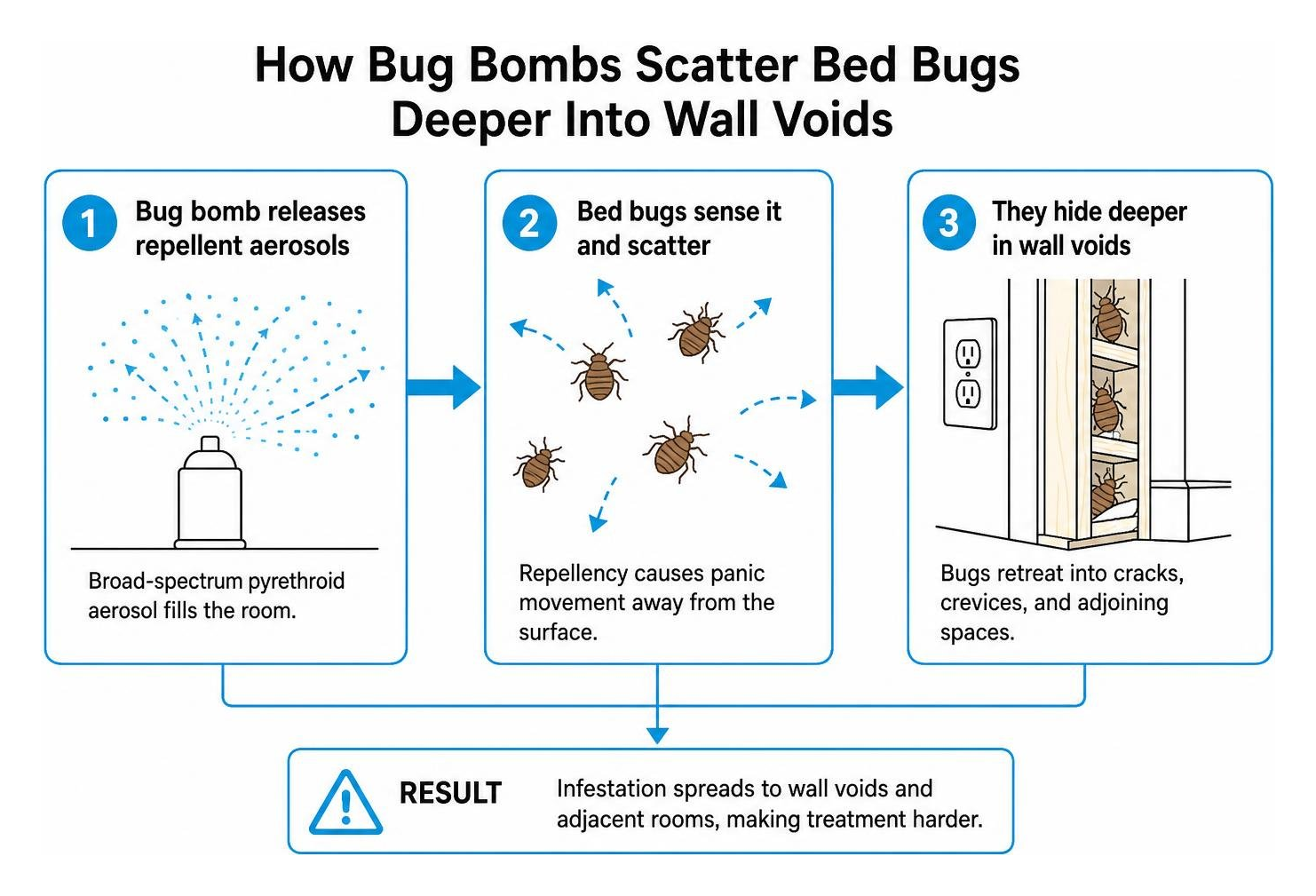
Here is why unsupervised attempts fail:
- The repellency effect and scattering: Broad, untargeted chemical applications discharged into the center of a room do not penetrate deep crevices. Instead, the airborne residue repels the pests, causing them to scatter panic-style deep into wall voids, adjoining hallways, and neighboring rooms.
- Pesticide resistance: Many wild bed bug populations have developed strong genetic resistance to standard insecticide formulations commonly used in untrained, non-professional applications.
- No reach into harborages: Surface-level treatments deposit a thin film on open, exposed areas (tables, carpets, bedding) without reaching the tight cracks, box spring interiors, or baseboards where bed bugs spend the majority of their lives.
The Most Effective Professional Bed Bug Extermination Methods
Professional eradication relies on Integrated Pest Management (IPM)—a multi-tiered strategy combining thorough mechanical preparation, targeted materials, and strict post-treatment monitoring. Relying on a single product rarely solves the problem; true elimination requires addressing all life stages, including hidden eggs.
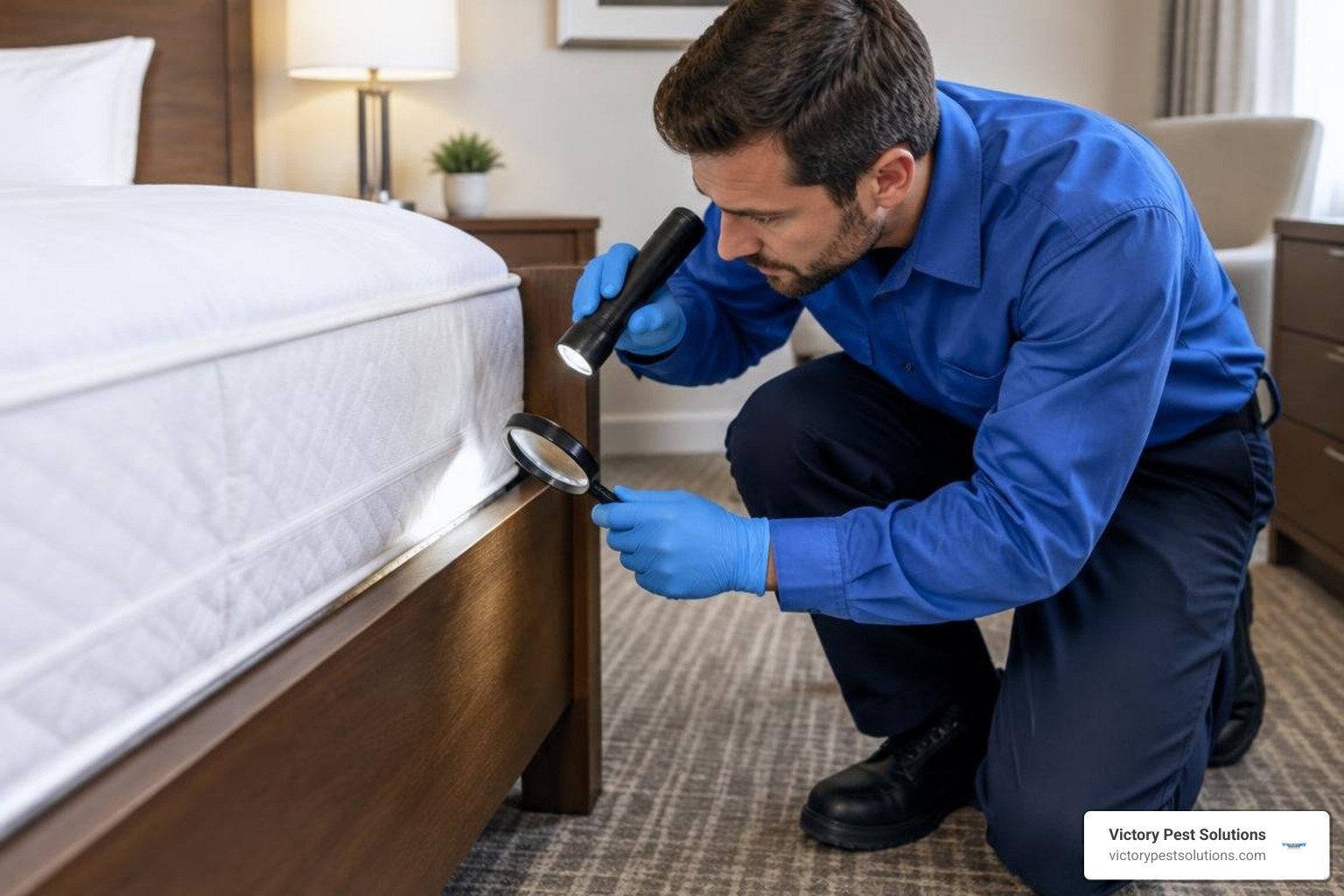
| Phase | Core Objective | Primary Actions Taken | Expected Outcome |
|---|---|---|---|
| 1. Inspection & Mapping | Identify active harborages | Visual inspection, crevice tools, thorough screening of target and adjacent rooms | Infestation perimeter mapped; treatment strategy selected |
| 2. Targeted Treatment | Eliminate active bugs & eggs | Direct contact applications, residual crack-and-crevice treatments, desiccant dusts | Immediate population reduction and persistent residual barrier |
| 3. Follow-Up & Monitoring | Prevent resurgence | Placement of interceptors, follow-up inspection at 10–14 days | Confirmation of zero egg hatch or live bug activity |
Fast-Acting Professional Bed Bug Extermination
When immediate eradication is critical, a fast-acting professional intervention ensures that living insects and newly hatched nymphs are rapidly managed. Modern IPM combines fast-acting contact formulations with long-lasting residual compounds and desiccant dusts (like amorphous silica gel), which wear down the pest’s waxy outer cuticle so it rapidly dehydrates.
Because bed bug eggs take roughly 6 to 10 days to hatch, professional exterminators schedule structured follow-up visits. This timing ensures that any newly emerged nymphs are eliminated before they can mature, feed, and lay new eggs. Property owners receive exact re-entry timelines to ensure safety throughout the process.
Targeted Professional Bed Bug Treatment
Precision is everything during application. Instead of spraying broad open surfaces, technicians focus treatments directly into micro-habitats:
- Behind loose baseboards and crown molding
- Inside hollow bed frames and wooden furniture joints
- Under carpet edges along perimeter tack strips
- Around and behind electrical switch plates and utility conduits
- Seams, tufts, and folds of upholstered furniture
This targeted crack-and-crevice approach minimizes chemical exposure in open living areas while delivering maximum impact directly where insects harbor.
How to Prepare Your Property for Immediate Treatment
Proper preparation makes the difference between swift eradication and prolonged treatment cycles. When rooms are prepped thoroughly, technicians can easily access every potential hiding spot.
- High-heat laundering: Strip all bedding, pillow covers, curtains, and accessible clothing. Wash them in hot water and tumble-dry on high heat for at least 45 minutes. The sustained heat destroys all life stages, including resilient eggs.
- Item isolation: Once dried, immediately seal the clean fabrics into heavy-duty plastic contractor bags to keep them protected until the entire property is cleared.
- Decluttering floors and closets: Remove floor items, boxes, shoes, and loose papers from closets, under beds, and around nightstands. Clutter provides endless hiding spots that block treatments from reaching baseboards.
- Furniture placement: Pull beds, dressers, and seating at least two feet away from the walls. This allows technicians clear perimeter access to treat baseboards and electrical runs.
For hotel operators needing structured remediation workflows, our guide on hotel bed bugs identify treatment breaks down guest management and room handling step by step.
Commercial Preparation Protocols
In high-occupancy commercial properties, time is money. Property managers need protocols that isolate issues immediately without drawing unnecessary attention or extending room downtime.
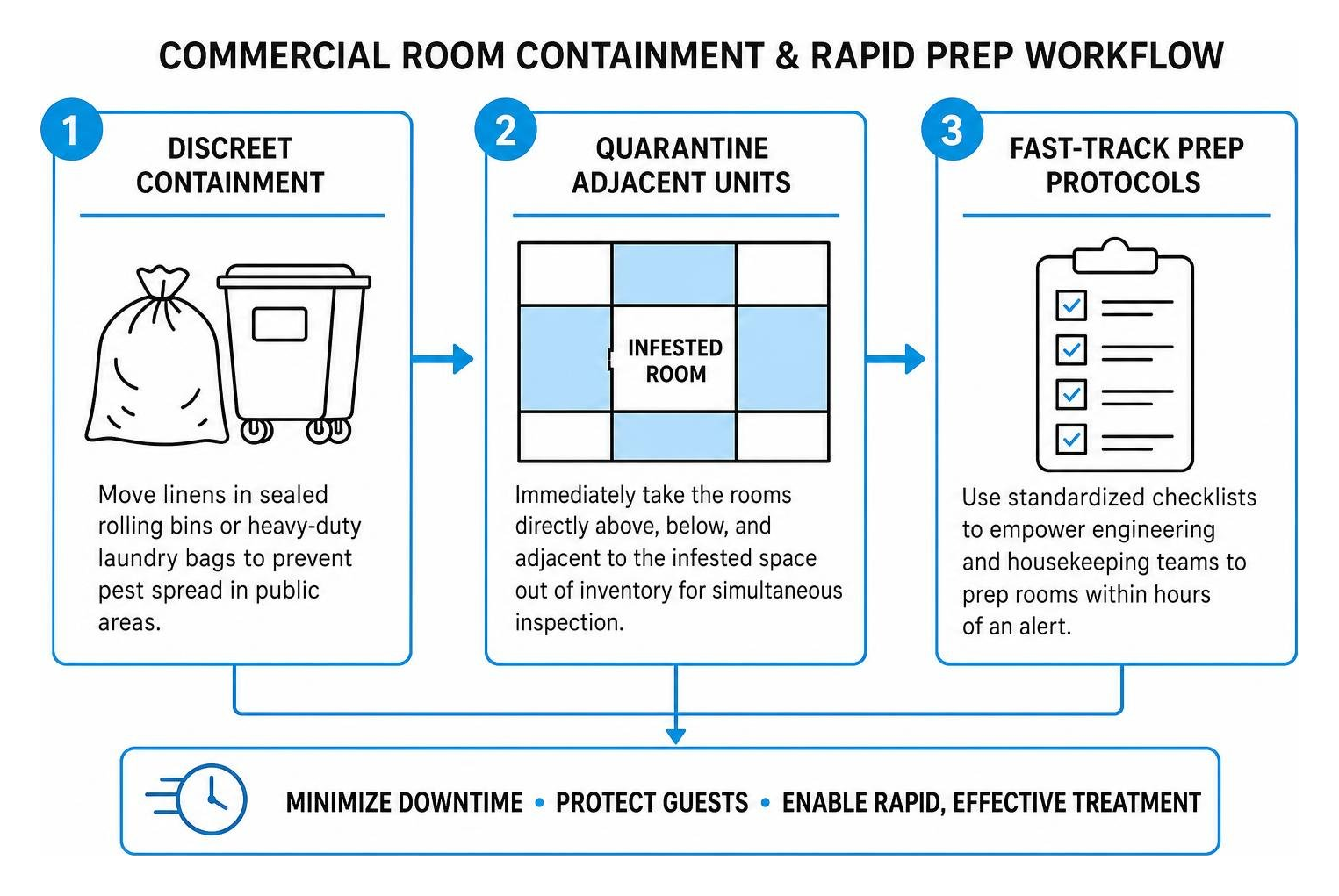
Key commercial steps include:
- Discreet containment: Using nondescript, sealed rolling bins or heavy-duty laundry bags to move linens to laundry facilities without trailing pests through public corridors.
- Quarantine adjacent units: Immediately taking the rooms directly above, below, and adjacent to the infested space out of inventory for simultaneous inspection.
- Fast-track prep protocols: Equipping engineering and housekeeping staff with standardized checklists so rooms are prepped within hours of an alert.
Following proactive guidelines on how NYC hotels prevent bed bug infestations keeps hospitality brands running smoothly without expensive guest disruptions.
Long-Term Prevention Strategies to Stop Re-Infestation
Clearing an active infestation is step one; making sure they never return is step two. Bed bugs are world-class hitchhikers that travel easily on luggage, backpacks, laundry, and used furniture.
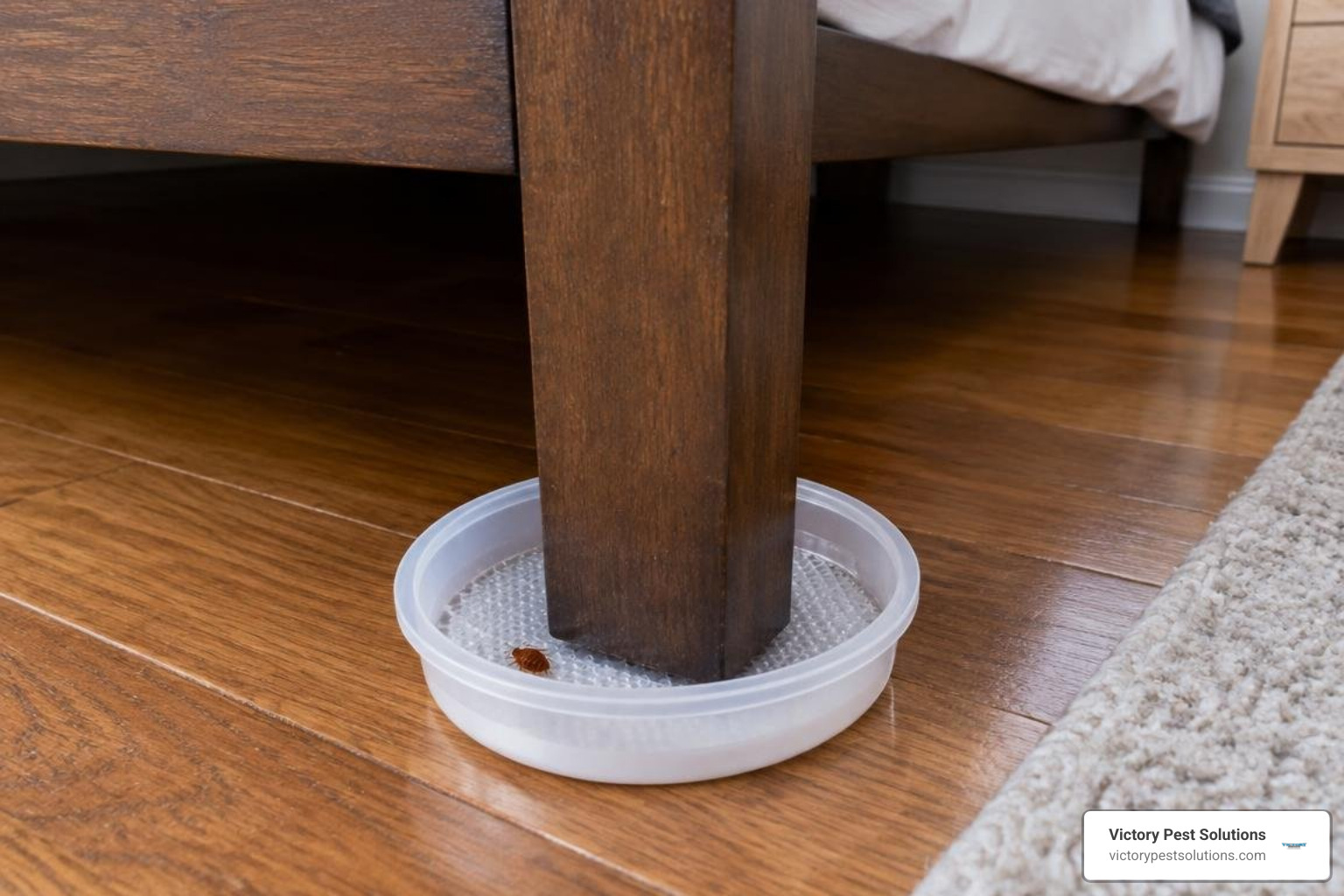
- Install certified mattress encasements: Enclose all mattresses and box springs in lab-tested, bite-proof, zippered encasements. Encasements eliminate the complex seams and crevices bed bugs love to hide in and trap any remaining pests inside where they cannot feed.
- Use passive interceptor traps: Place interceptor cups under the legs of bed frames and upholstered furniture. These pitfall traps capture foraging bugs moving between the floor and the bed, serving as a reliable early warning system.
- Post-travel luggage protocols: When returning from travel, inspect suitcases outside or in a garage. Unpack clothes straight into the washing machine and run them on high heat.
- Routine staff and housekeeping training: Train facilities and housekeeping staff to spot early fecal spotting and cast skins during regular turnover cleanings.
- Proactive monitoring programs: Commercial properties benefit from ongoing inspections. Our specialized Manhattan bed bug control programs provide year-round surveillance to stop infestations before guests ever notice them.
Frequently Asked Questions About Bed Bug Control
How long does professional treatment take, and when is it safe to return?
Most targeted room treatments take between 1 to 3 hours depending on the property size, clutter level, and severity of the infestation. Occupants and pets typically need to vacate the treated space for approximately 4 hours after application to allow products to dry completely. Technicians always supply specific re-entry instructions based on the application method used.
Can bed bugs survive for months without feeding?
Yes. Under normal room temperatures (around 70°F), adult bed bugs can easily survive 2 to 4 months without feeding. In cooler conditions, their metabolism slows dramatically, allowing them to survive for 6 months or longer in dormant harborages. This impressive survival ability is why simply leaving a room unoccupied will not starve out an infestation—professional intervention is required.
Are modern extermination treatments safe for children and pets?
When performed by licensed professionals, modern treatments follow strict safety protocols. Technicians utilize EPA-approved products applied directly into deep cracks, crevices, and voids out of reach of children and pets. Once residual sprays have fully dried (typically after the standard 4-hour re-entry period), the space is safe for normal use. Technicians also advise covering or removing fish tanks and keeping pets off treated surfaces until dry.
Securing Immediate and Lasting Relief
A bed bug infestation requires prompt, structured action. Attempting to solve the issue with store-bought foggers or unverified home remedies costs valuable time and frequently drives the insects deeper into your property.
Victory Pest Solutions provides reliable 24/7 commercial pest control across New York, delivering targeted treatments, rapid response times, and discreet service designed to protect your property and brand reputation. Explore our proven bed bug solutions or schedule an immediate inspection with our certified team today.