
Hotels in Manhattan operate in one of the busiest hospitality environments in the country. Every season brings changing weather, different travel patterns, fluctuating occupancy levels, and environmental conditions that may influence pest activity. While many property managers think of pest management as a year-round service, the specific challenges hotels face during January can look very different from those encountered during July or October.
Understanding seasonal pest problems in Manhattan hotels allows hospitality operators to anticipate changing conditions instead of simply reacting after concerns arise. Prevention strategies often become more effective when managers understand how weather, guest activity, surrounding businesses, construction, and building conditions influence pest behavior throughout the year.
Hotels throughout Manhattan experience unique challenges because they operate in densely populated neighborhoods with restaurants, retail businesses, transportation systems, historic buildings, and constant pedestrian traffic. These environmental factors create conditions that differ significantly from suburban hospitality properties and help explain why seasonal planning is an important part of long-term pest prevention.
Rather than viewing pest management as a single service, many successful hospitality properties incorporate seasonal awareness into their overall operational planning.
Why Pest Activity Changes Throughout the Year
Many pests respond directly to environmental conditions. Temperature, rainfall, humidity, food availability, and shelter opportunities all influence where pests travel and how active they become. While hotels remain occupied throughout the year, the environment surrounding those hotels changes continuously.
These seasonal shifts affect:
- Rodent movement
- Insect breeding cycles
- Food availability
- Moisture levels
- Guest travel volume
- Outdoor activity
- Building ventilation
- Waste management demands
Because of these variables, seasonal pest problems in Manhattan hotels rarely remain identical from one season to the next.
Understanding these patterns allows hotel managers to adjust prevention efforts before activity increases.
Spring Brings Increased Pest Movement
As temperatures begin to rise across New York City, many pests become more active after winter. Spring often marks the beginning of increased outdoor insect activity while also encouraging movement from sheltered winter locations. Hotels surrounded by landscaping, outdoor dining areas, courtyards, or older masonry structures may notice changing conditions as the weather improves.
During spring, hospitality properties may experience increased activity involving:
- Ants
- Flies
- Occasional stinging insects
- Rodent movement
- Moisture-related pests
Spring also brings increased rainfall, which may encourage pests to seek drier environments. Hotels benefit from paying close attention to exterior doors, loading docks, utility penetrations, and landscaping that borders the building.
Many seasonal pest problems in Manhattan hotels begin with changing outdoor conditions before becoming noticeable indoors.
Summer Often Brings the Highest Guest Volume
Summer creates a unique combination of hospitality demands. Hotels frequently experience increased occupancy, more luggage movement, higher food service activity, outdoor dining, conferences, tourism, and larger housekeeping workloads. While these activities are positive for business, they also increase operational complexity.
Summer may increase attention around:
- Food storage
- Restaurant operations
- Outdoor waste collection
- Deliveries
- Loading docks
- Employee break areas
Higher temperatures may also influence insect activity around entrances and outdoor gathering spaces. Understanding how pest activity changes throughout the year in Manhattan hotels helps managers prepare for these seasonal operational demands rather than responding after concerns develop.
Hotels that review sanitation practices and inspection schedules before busy travel seasons often place themselves in stronger positions throughout the summer months.
Increased Tourism Creates Additional Exposure Opportunities
One characteristic that separates Manhattan from many other hospitality markets is tourism. Millions of visitors travel through New York City every year using airports, train stations, buses, cruise terminals, and other transportation systems before arriving at hotels. This continuous movement creates additional opportunities for introductions involving luggage, personal belongings, and materials transported from other locations.
Hotels cannot eliminate travel. However, they can prepare operationally. Understanding seasonal pest problems in Manhattan hotels includes recognizing that guest volume itself changes throughout the year.
Periods of increased occupancy may require greater attention to:
- Housekeeping procedures
- Room inspections
- Linen handling
- Public area cleanliness
- Communication between departments
These operational adjustments often support stronger long-term prevention planning.
Fall Often Signals Rodent Migration
As temperatures begin cooling across Manhattan, many pests begin searching for shelter. Rodents are among the most common examples. Rather than remaining outdoors, mice and rats frequently seek warmer indoor environments that provide food, water, and protection.
Hotels naturally contain many attractive conditions, including:
- Utility rooms
- Mechanical spaces
- Storage areas
- Kitchens
- Laundry facilities
- Waste collection zones
Fall is often an ideal time for hospitality properties to review building maintenance and identify small openings around utility penetrations, service entrances, and foundation areas.
Because many seasonal pest problems in Manhattan hotels involve changing rodent behavior during autumn, proactive inspections often become particularly valuable before colder weather arrives.
Building Maintenance Plays an Important Seasonal Role
One of the most effective ways to reduce changing seasonal pressures is by maintaining the building itself. While the weather cannot be controlled, hotels often benefit from reducing opportunities that allow pests to enter or remain inside the property.
Seasonal maintenance may include reviewing:
- Door sweeps
- Exterior lighting
- Window seals
- Utility penetrations
- Roof drainage
- Plumbing leaks
- Storage organization
- Waste handling procedures
Routine maintenance complements broader Manhattan hotel pest management strategies by helping reduce environmental conditions that may contribute to pest activity.
Rather than relying only on treatment after activity appears, many hospitality operators integrate seasonal maintenance into their annual facility planning.
Winter Often Drives Pests Indoors
Winter brings a different set of challenges for Manhattan hotels. While outdoor insect activity generally declines as temperatures drop, colder weather often encourages rodents and other pests to seek warmer indoor environments where food, water, and shelter are readily available. Hotels naturally provide many of these conditions through occupied guestrooms, kitchens, laundry facilities, utility rooms, storage areas, and mechanical spaces that remain active throughout the year.
This seasonal shift is one reason seasonal pest problems in Manhattan hotels continue even when outdoor temperatures fall. Rather than disappearing, many pests simply change their behavior.
Hotels may notice increased attention around:
- Utility penetrations
- Mechanical rooms
- Loading docks
- Storage areas
- Employee break rooms
- Food preparation spaces
- Waste handling locations
- Basement service corridors
Because guests continue traveling throughout the holiday season and winter months, hospitality operations remain active even while environmental conditions outside become less favorable. Luggage, deliveries, housekeeping activity, and food service continue creating movement throughout the property, making routine inspections just as valuable during winter as they are during the busiest summer months.
Many property managers assume winter requires less attention because insects are seen less frequently. In reality, colder weather often shifts prevention priorities toward exclusion, monitoring, moisture management, and identifying potential entry points before pests establish indoor shelter.
Moisture Can Influence Pest Activity Year-Round
Temperature is only one factor affecting pest behavior. Moisture plays an equally important role throughout every season.
Hotels contain numerous areas where water is routinely present. Kitchens, guest bathrooms, laundry facilities, mechanical equipment, plumbing systems, and HVAC components all contribute to environments that require regular monitoring. Small plumbing leaks, condensation, clogged drains, or poor ventilation may create favorable conditions regardless of the season.
Property managers often benefit from routinely evaluating:
- Plumbing fixtures
- Floor drains
- Ice machine areas
- Laundry equipment
- Roof drainage systems
- HVAC condensate lines
- Mechanical rooms
- Basement utility spaces
Understanding how environmental conditions contribute to seasonal pest problems in Manhattan hotels allows maintenance teams to address concerns before they become larger operational issues. Moisture management not only supports pest prevention but also contributes to broader building maintenance and long-term facility performance.
Housekeeping Plays an Important Role Throughout Every Season
Housekeeping teams often become one of the first groups to recognize changing conditions inside a hotel. Because staff members enter guestrooms every day, they frequently notice maintenance concerns, sanitation issues, unusual activity, or environmental changes before they become guest complaints.
As seasons change, housekeeping personnel may observe different patterns throughout the property. Increased luggage during tourism seasons, changing occupancy rates, weather-related debris, and variations in guest activity all influence daily operations. Routine inspections, housekeeping observations, maintenance reviews, and operational awareness all work together to support proactive prevention planning.
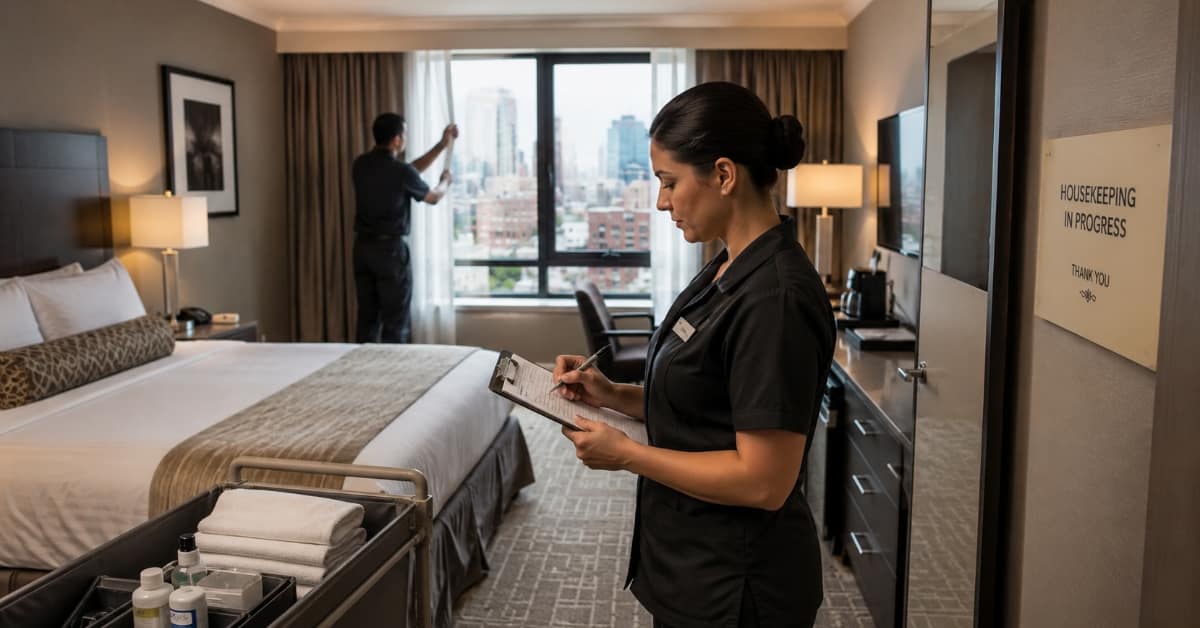
Understanding how seasonal conditions affect different parts of a hospitality property allows hotel managers to strengthen prevention efforts before environmental changes lead to larger concerns.
Routine observations may include:
- Signs of moisture
- Damaged door sweeps
- Window seal concerns
- Food debris in guestrooms
- Maintenance issues
- Unusual odors
- Areas requiring additional cleaning
- Conditions needing management review
Effective communication between housekeeping, maintenance, and management often strengthens Manhattan hotel pest management strategies by allowing potential concerns to be addressed quickly. Staff awareness does not replace professional pest management, but it can support early identification and improve overall operational consistency.
Inspection Schedules Should Evolve With Seasonal Conditions
One of the biggest mistakes hotels can make is assuming that the same inspection routine works equally well throughout the year. While routine pest management remains important every month, changing environmental conditions often require property managers to adjust inspection priorities based on seasonal activity.
Understanding seasonal pest problems in Manhattan hotels means recognizing that prevention strategies should remain flexible. Spring may call for greater attention to exterior entry points and landscaping, while summer often brings increased guest traffic and food service activity. During the fall, inspections may shift toward identifying rodent entry points before colder weather arrives, and winter may place greater emphasis on mechanical rooms, utility spaces, and interior monitoring.
Rather than relying on a one-size-fits-all approach, many hospitality properties review inspection schedules based on occupancy trends, seasonal weather, building maintenance projects, and operational changes. This proactive approach helps support long-term prevention planning while minimizing disruptions to guests and hotel operations.
Manhattan’s Urban Environment Influences Seasonal Pest Activity
Location plays a significant role in hospitality pest management. Manhattan hotels operate within one of the most densely populated urban environments in the United States, where restaurants, retail businesses, office buildings, apartment complexes, transportation hubs, and entertainment venues all exist within close proximity.
These surrounding conditions influence seasonal pest problems in Manhattan hotels throughout the year. Construction projects may temporarily alter rodent movement, seasonal outdoor dining can affect food-related pest activity, and increased tourism during peak travel months creates additional movement throughout hospitality properties.
Because many hotels also occupy older buildings with shared walls, utility penetrations, and complex infrastructure, seasonal changes often affect more than the immediate property. Property managers who understand these surrounding environmental influences are frequently better positioned to develop comprehensive prevention strategies.
Prevention Planning Is More Effective Than Seasonal Reaction
Waiting until pest activity becomes noticeable can create unnecessary operational challenges. While no hotel can eliminate every environmental factor, proactive planning often helps reduce conditions that contribute to pest concerns throughout the year.
Strong seasonal prevention programs frequently include:
- Routine professional inspections
- Building maintenance reviews
- Moisture management
- Waste handling evaluations
- Staff awareness training
- Housekeeping communication
- Documentation of observations
- Regular monitoring of guest-facing and back-of-house areas
These efforts help support long-term operational consistency while reducing the likelihood that changing seasonal conditions will affect guest experiences.
Property managers who understand how pest activity changes throughout the year in Manhattan hotels are often better equipped to adjust maintenance priorities before small issues become larger operational concerns.
Seasonal Awareness Supports Better Guest Experiences
Every season presents different operational challenges for Manhattan hotels. While pest activity naturally changes as weather conditions shift, successful hospitality properties often focus on preparation rather than reaction. Consistent inspections, staff communication, routine maintenance, and environmental awareness all contribute to stronger prevention strategies throughout the year.
Understanding seasonal pest problems in Manhattan hotels allows property managers to adapt their prevention efforts as conditions change instead of relying on the same approach every month. This proactive mindset supports smoother operations, helps protect guest confidence, and contributes to a cleaner, more consistent hospitality environment.
According to the National Pest Management Association, seasonal monitoring and proactive integrated pest management practices are important components of effective commercial pest prevention programs.
Protect Your Hotel Throughout Every Season
Hotels throughout Manhattan operate in a dynamic environment where weather, occupancy, tourism, and urban conditions continually change. Developing a seasonal prevention strategy can help hospitality properties stay ahead of changing pest pressures while supporting guest satisfaction and long-term operational success.
For additional hospitality prevention guidance, read NYC Hotels Prevent Bed Bug Infestations.
To learn more about comprehensive hospitality pest management solutions, visit Hotel & Hospitality Pest Control NYC.
Whether you manage a boutique hotel, luxury property, or national hospitality brand, proactive seasonal planning can help reduce disruptions and support a better guest experience throughout the year.
To learn more and get help with seasonal pest problems in Manhattan hotels, schedule a Seasonal Hotel Pest Assessment.
Frequently Asked Questions
Do seasonal pest problems affect all Manhattan hotels?
Every hotel operates under different conditions, but seasonal weather, guest activity, building age, and surrounding businesses can all influence seasonal pest problems in Manhattan hotels and changing pest pressures throughout the year.
Why is fall often an important season for pest prevention?
As temperatures cool, rodents and other pests frequently begin seeking food, water, and shelter indoors. Fall inspections and building maintenance can help identify potential entry points before winter arrives.
Should hotels schedule pest inspections year-round?
Yes. Because hospitality properties remain active throughout every season, routine inspections can help identify changing environmental conditions before they develop into larger operational concerns.
Does higher occupancy increase pest risk?
Periods of increased travel and occupancy create more movement throughout a property, including luggage, deliveries, housekeeping activity, and food service operations. These changing conditions may influence seasonal prevention planning.
How can hotels prepare for changing seasonal pest problems in Manhattan hotels?
Routine inspections, preventative maintenance, sanitation practices, staff communication, moisture management, and professional pest management services all contribute to long-term prevention strategies.