
How to Use Ultraviolet Light to Keep Your Shoes Germ-Free
Why Every Commercial Facility Should Know About Shoe Sanitizer UV Light
A shoe sanitizer UV light is one of the simplest tools you can add to a workplace hygiene routine — and one of the most overlooked.
What does a UV shoe sanitizer do?
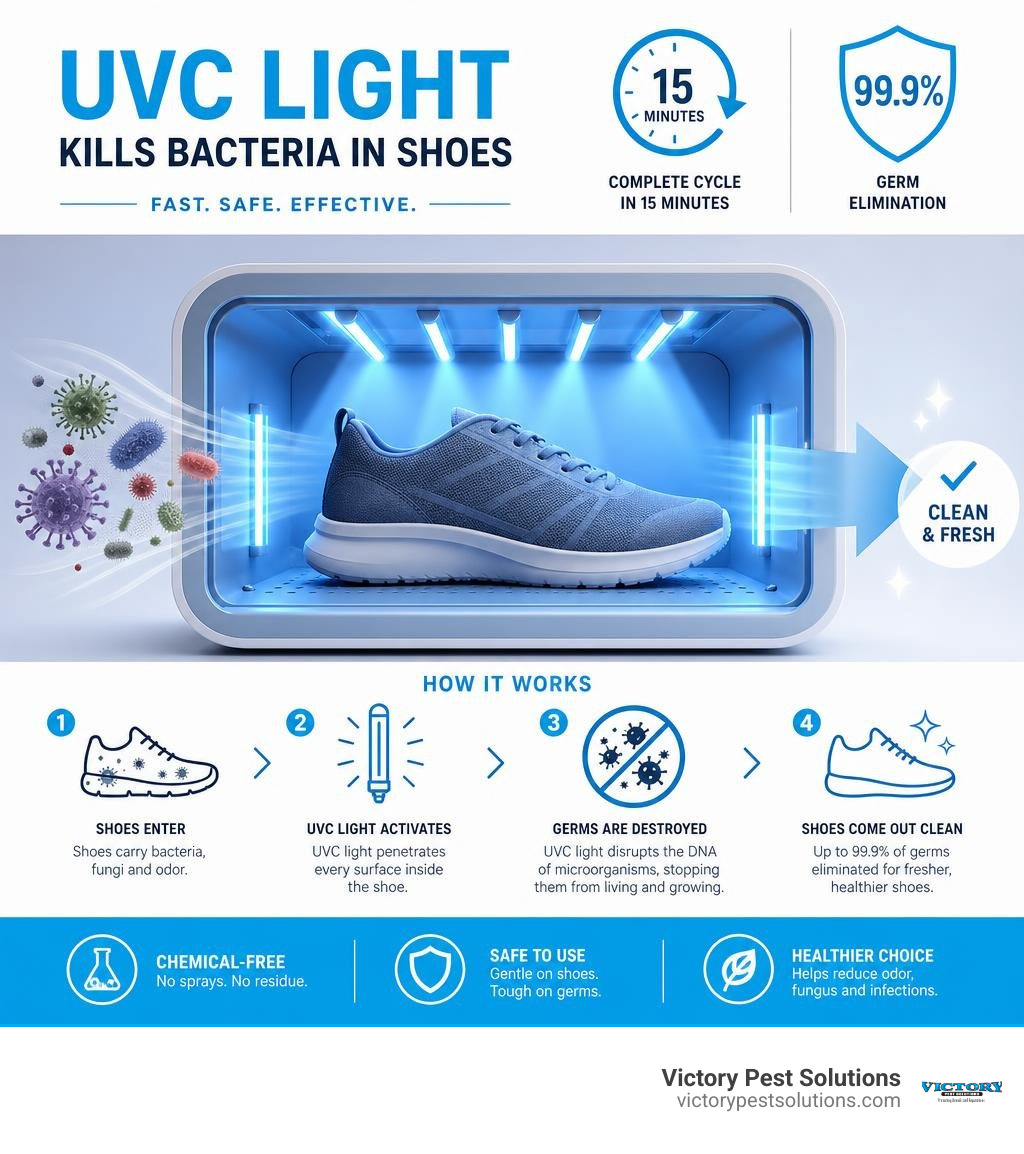
- Uses UVC light (a specific wavelength of ultraviolet radiation) to kill bacteria, fungi, and viruses inside shoes
- Eliminates up to 99.9% of germs in as little as 15 minutes
- Works without chemicals, sprays, or residue
- Targets the root cause of shoe odor and foot infections — not just the smell
Your shoes are warm, dark, and damp. That combination creates a near-perfect breeding ground for the microorganisms that cause athlete’s foot, toenail fungus, and persistent odor. Every foot has around 250,000 sweat glands, producing up to a pint of moisture per day. In a busy hospitality or commercial setting — think hotel staff, kitchen workers, or healthcare aides on long shifts — that adds up fast.
The problem goes deeper than smell. Fungal spores can survive dormant inside shoes for months, meaning even treated foot infections can come back if the shoes themselves are never disinfected.
UV shoe sanitizers solve this by applying the same germicidal technology used in hospitals and water treatment systems — but in a compact, easy-to-use device built for everyday footwear.
I’m Len Oppenberg, founder of Victory Pest Solutions, with over two decades of experience in commercial hygiene and pest control — including specialized work in healthcare facilities where tools like shoe sanitizer UV light devices intersect directly with infection prevention protocols. That background gives me a practical, operations-focused lens on how UV sanitation fits into a broader facility hygiene strategy.
What is a Shoe Sanitizer UV Light and How Does It Work?
To understand how a shoe sanitizer uv light works, we have to look at the science of ultraviolet radiation. Ultraviolet light is divided into three main types based on wavelength: UVA, UVB, and UVC. While UVA and UVB rays from the sun are famous for causing sunburns, UVC light (which has a shorter wavelength, typically between 200 and 280 nanometers) is highly germicidal.
Specifically, UVC light at a wavelength of 253.7 nm is the sweet spot for destroying the genetic material of pathogens. When bacteria, viruses, or fungal spores inside a shoe are exposed to this specific wavelength, the UVC radiation penetrates their cell walls and disrupts their DNA or RNA. It scrambles their genetic code, rendering them completely unable to reproduce or function. In scientific terms, they are deactivated; in practical terms, they are dead.

Unlike older industrial UV systems, modern consumer and commercial devices use ozone-free bulbs. This is a crucial safety and material-preservation feature. Ozone can degrade certain shoe materials like glues, rubbers, and delicate leather over time. By utilizing ozone-free germicidal lamps, premium systems like the patented SteriShoe UV shoe sanitizer technology can thoroughly disinfect footwear without compromising the structural integrity of expensive work shoes or boots.
When you insert a UV sanitizer into a shoe, the germicidal light reaches the dark corners of the toe box and footbed — the exact spots where moisture pools and fungi thrive. Because light travels in straight lines, many high-end devices also incorporate small built-in fans or heating elements to dry out the shoe interior simultaneously. This dual action of heat/drying and UVC light creates an incredibly hostile environment for microorganisms, effectively breaking the cycle of contamination.
Key Benefits of UV Shoe Sanitization for Hospitality and Commercial Staff
In the world of NYC and Manhattan hospitality, hotel staff, kitchen crews, and front-desk professionals are on their feet for eight to twelve hours a day. Walking miles across luxury hotel lobbies, standing in hot commercial kitchens, or running room service deliveries causes feet to sweat profusely.
Traditionally, people have turned to chemical deodorizing sprays or powders to handle smelly shoes. However, these methods only mask the odor temporarily and often leave a sticky, toxic chemical residue that gets reactivated the next time your feet perspire.
Here is how a shoe sanitizer uv light compares to traditional chemical sprays:
| Feature | UV Shoe Sanitizer | Chemical Deodorizing Sprays |
|---|---|---|
| Primary Action | Physically destroys DNA of bacteria and fungi | Masks odors with perfumes; temporary sanitization |
| Residue | 100% chemical-free and residue-free | Leaves chemical powders or wet film inside the shoe |
| Pathogen Elimination | Kills up to 99.9% of fungi, bacteria, and viruses | Limited effectiveness against dormant fungal spores |
| Moisture Control | Models with built-in fans dry out perspiration | Adds liquid moisture to an already damp shoe |
| Long-Term Cost | One-time purchase (bulbs last thousands of hours) | Ongoing cost of buying replacement spray cans |
| Material Safety | Safe for leather, canvas, and synthetics | Some chemicals can stain or degrade delicate materials |
For Manhattan hospitality operations, keeping staff healthy and maintaining high hygiene standards is paramount. Foot infections like athlete’s foot or toenail fungus can lead to discomfort, decreased productivity, and increased sick leave. Implementing a sanitization station using devices like the ShoeZap 15 Minute UV Shoe Sanitizer allows employees to disinfect their footwear during breaks or at the end of their shifts.
By eliminating the fungal and bacterial reservoirs living inside work shoes, hotels can prevent cross-contamination in locker rooms and employee showers, keeping their workforce healthy, comfortable, and ready to deliver top-tier guest service.
How to Choose and Use a UV Shoe Sanitizer Safely
While UVC light is incredibly effective at killing microscopic pathogens, it is also harmful to human skin and eyes. Direct exposure to UVC radiation can cause temporary or permanent eye damage and skin irritation. Therefore, safety features are the most important factor to consider when choosing a shoe sanitizer uv light device.
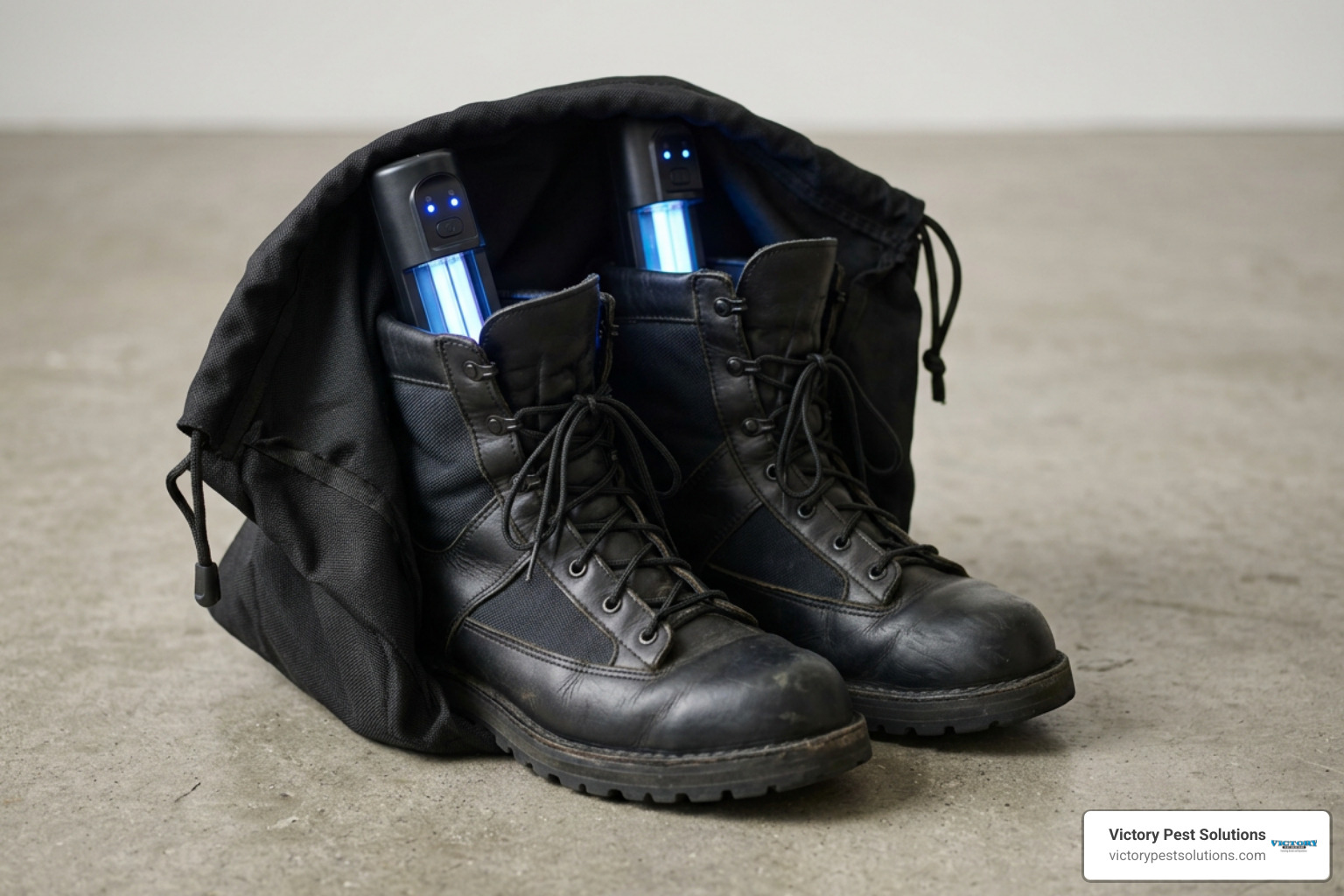
High-quality sanitizers are engineered with multiple fail-safes. For example, the SteriShoe+ UV Shoe Sanitizers utilize weight-activated sensors. These sensors ensure that the powerful germicidal bulbs will only turn on when the device is fully inserted into a shoe and resting on a flat surface, indicating that the UVC light is completely enclosed. If the device is pulled out or tilted during a cycle, the safety sensors immediately shut off the bulbs.
When selecting and using a device, keep these best practices in mind:
- Use Protective Shoe Bags: For open-toed shoes, sandals, or children’s footwear where light can easily escape, always place the shoes inside the dark protective bags included with your device. These bags block all UV rays from escaping into the surrounding room.
- Check the Bulb Lifespan: Germicidal UVC bulbs degrade slowly over time. Most high-quality bulbs are rated for about 8,000 to 20,000 hours of treatment. For average home or light commercial use, a single set of bulbs can last for years before needing replacement.
- Never Look Directly at the Light: Even if a device has an active cycle, never peer inside the shoe or pull the sanitizer out to inspect the glowing bulb.
- Establish a Routine: For hotel shift workers, keep the sanitizing base in a designated locker room or break area. Simply insert the sanitizers, slide the shoes into their protective bags, and let the automatic timer run its course.
If you are looking for a highly rated, consumer-friendly option to start with, the SteriShoe UV Shoe Sanitizer and Deodorizer – Ultraviolet Light … is widely available and trusted by podiatrists for its clinical-grade safety features and robust design.
Frequently Asked Questions About Shoe Sanitizer UV Light Devices
How effective is a shoe sanitizer uv light against athlete’s foot?
It is exceptionally effective. Athlete’s foot (Tinea Pedis) and toenail fungus (Onychomycosis) are primarily caused by resilient dermatophytes like Trichophyton rubrum and Trichophyton mentagrophytes. Because footwear acts as a dark, warm reservoir, these fungal spores can survive inside your shoes and continuously reinfect your feet, even if you are using topical creams or oral medications.
Clinical studies have proven that UVC shoe sanitizers achieve up to a 99.9% kill rate against these specific fungal strains. Utilizing devices like the SteriShoe+ clinical efficacy system ensures that you are breaking the cycle of reinfection by completely sterilizing the interior of your footwear, allowing your feet to heal permanently.
How often should I use a shoe sanitizer uv light on my footwear?
For preventative care, we recommend using a UV shoe sanitizer daily on the shoes you wore that day. Since hospitality and hotel shift shoes accumulate a massive amount of sweat over an eight-hour shift, sanitizing them immediately after you take them off ensures that bacteria and fungi do not have the opportunity to multiply overnight. If daily use is not possible, a thorough weekly sanitization routine will still significantly reduce pathogen levels and eliminate stubborn shoe odors.
How long does a typical UV sanitizing cycle take?
A typical rapid sanitizing cycle takes only 15 minutes with modern high-output devices. For example, the Sharper Image 15-Minute UV Shoe Sanitizers feature an automatic timer that shuts off after 15 minutes, making them perfect for busy employees on the go. Some older or lower-wattage models may require a longer exposure time, ranging from 45 minutes to 2 hours, to achieve a full 99% reduction in microorganisms. Always check your specific device manual for the manufacturer’s recommended cycle times.
Keeping Footwear Hygiene Part of Facility Sanitation
A comprehensive approach to hygiene is what separates top-tier commercial establishments from the rest. In the competitive landscape of NYC and Manhattan hotels, maintaining a pristine, germ-free environment goes beyond shiny lobby floors — it extends to the health, comfort, and safety of the staff on the front lines. Integrating a shoe sanitizer uv light protocol is a highly effective, chemical-free step toward total environmental sanitation.
At Victory Pest Solutions, we understand that true cleanliness requires a multi-layered defense. While UV shoe sanitizers are excellent for personal gear and footwear, keeping your entire commercial kitchen, guest rooms, and employee locker rooms sanitized requires professional intervention.
To learn more about how we can help keep your facility safe, pristine, and compliant with the highest sanitation standards, explore the Victory Pest Solutions professional disinfecting and sanitizing services today. We are proud to provide 24/7 proactive support to businesses throughout New York City, Manhattan, Brooklyn, Queens, the Bronx, Staten Island, and the surrounding metropolitan areas.