
Professional Mice Exterminator Survival Guide
Hire a Mice Exterminator Who Stops the Source
For an NYC hotel, restaurant, healthcare site, or other commercial property, hire a mice exterminator who does more than place bait. Look for a provider that inspects the full property, identifies droppings and entry points, uses targeted trapping or secured bait stations when needed, seals gaps that allow re-entry, and returns to monitor results. This approach protects operations, food areas, guest confidence, and your facility’s reputation.
Mice can multiply quickly and may chew wiring, damage insulation, contaminate stored goods, and leave signs in kitchens, storage rooms, ceilings, and utility spaces. A one-time treatment may reduce current activity, but lasting control depends on exclusion: closing the small gaps around pipes, doors, vents, foundations, and exterior walls that mice use to enter.
I am Len Oppenberg, founder of Victory Pest Solutions. I have worked in pest control since 2000, including urgent, high-stakes healthcare environments, and have helped build mice exterminator programs focused on responsive service and practical long-term prevention.
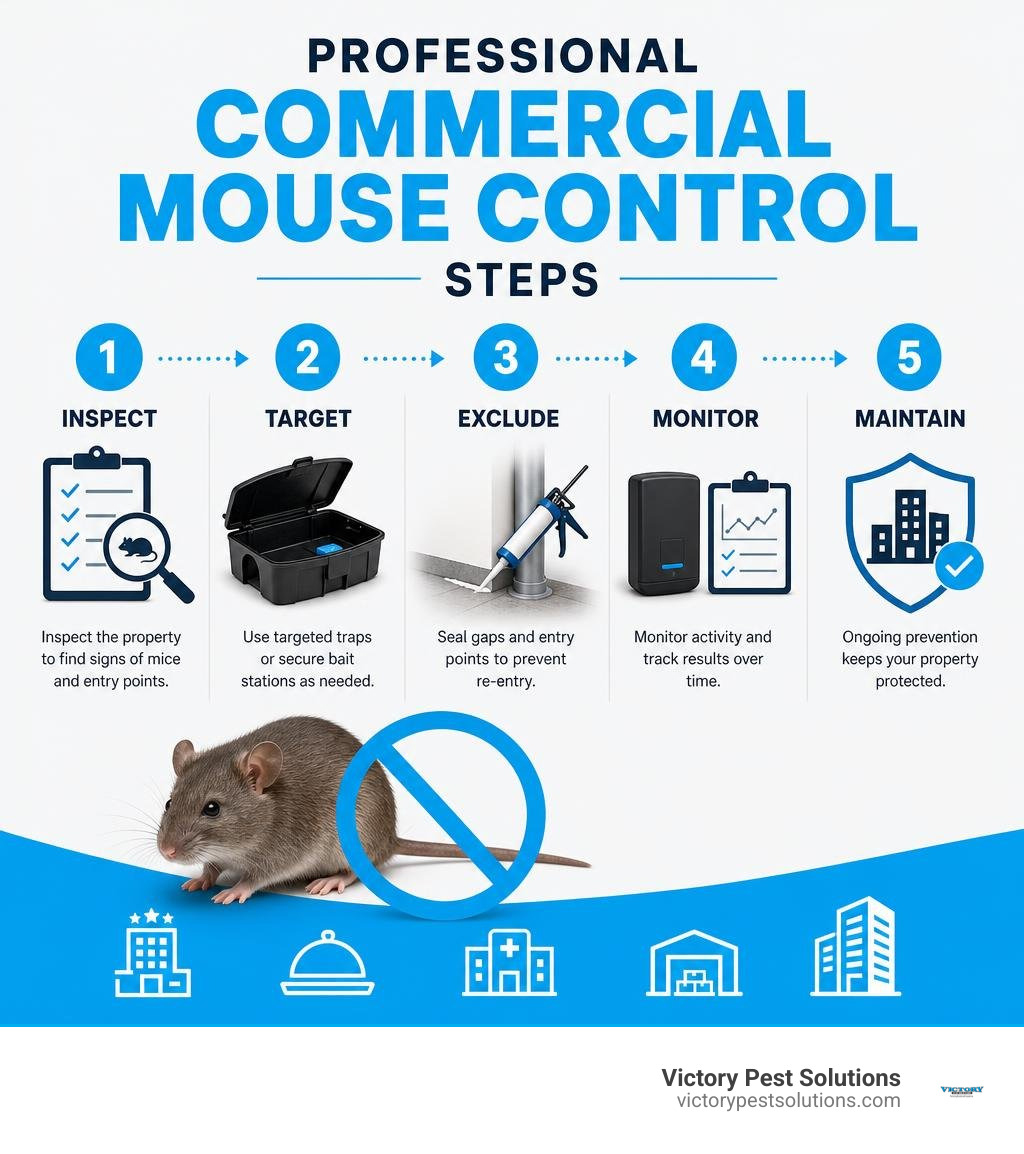
Identifying Rodent Infestations in Hospitality and Commercial Properties
In a bustling urban environment like New York City, recognizing the early signs of rodent activity can mean the difference between a minor service call and a brand-damaging health inspection violation. Mice reproduce every 20 to 25 days, which means a single breeding pair tucked behind a kitchen wall can balloon into a severe infestation in just a few months.
Early detection starts with understanding what mice leave behind across high-risk commercial zones:
- Droppings: Mouse droppings are small, dark, rod-shaped pellets with pointed ends, roughly the size of a grain of rice (1/8 to 1/4 inch long). Fresh droppings appear dark and moist, while older droppings turn gray, dry, and brittle.
- Gnaw Marks and Damaged Packaging: Mice must chew continuously to keep their incisors worn down. Watch for gnawed cardboard boxes, plastic food containers, structural woodwork, electrical conduit, and PVC piping.
- Smudge and Rub Marks: Mice have oily fur and poor eyesight. They travel along perimeter baseboards, leaving grease stains, dark smudges, and rub marks along walls, conduit lines, and pipe chases.
- Scratching and Scurrying Sounds: Activity typically peaks during nocturnal hours. You may hear scratching within drop ceilings, wall voids, elevator shafts, and hollow floor structures.
- Nesting Materials: Piles of shredded paper, insulation, cardboard, fabric, and dried plant fibers tucked into warm, hidden corners behind refrigeration compressor units or boiler rooms indicate established nesting.
- Foul Odors: Established colonies produce a distinct, stale, musky ammonia scent from concentrated rodent urine that lingers in unventilated storage closets.
Commercial food handling environments face specific vulnerabilities. Recognizing the subtle signs of rodent activity in commercial kitchens allows facility managers to interdict pests before pantry goods and food prep surfaces are compromised.
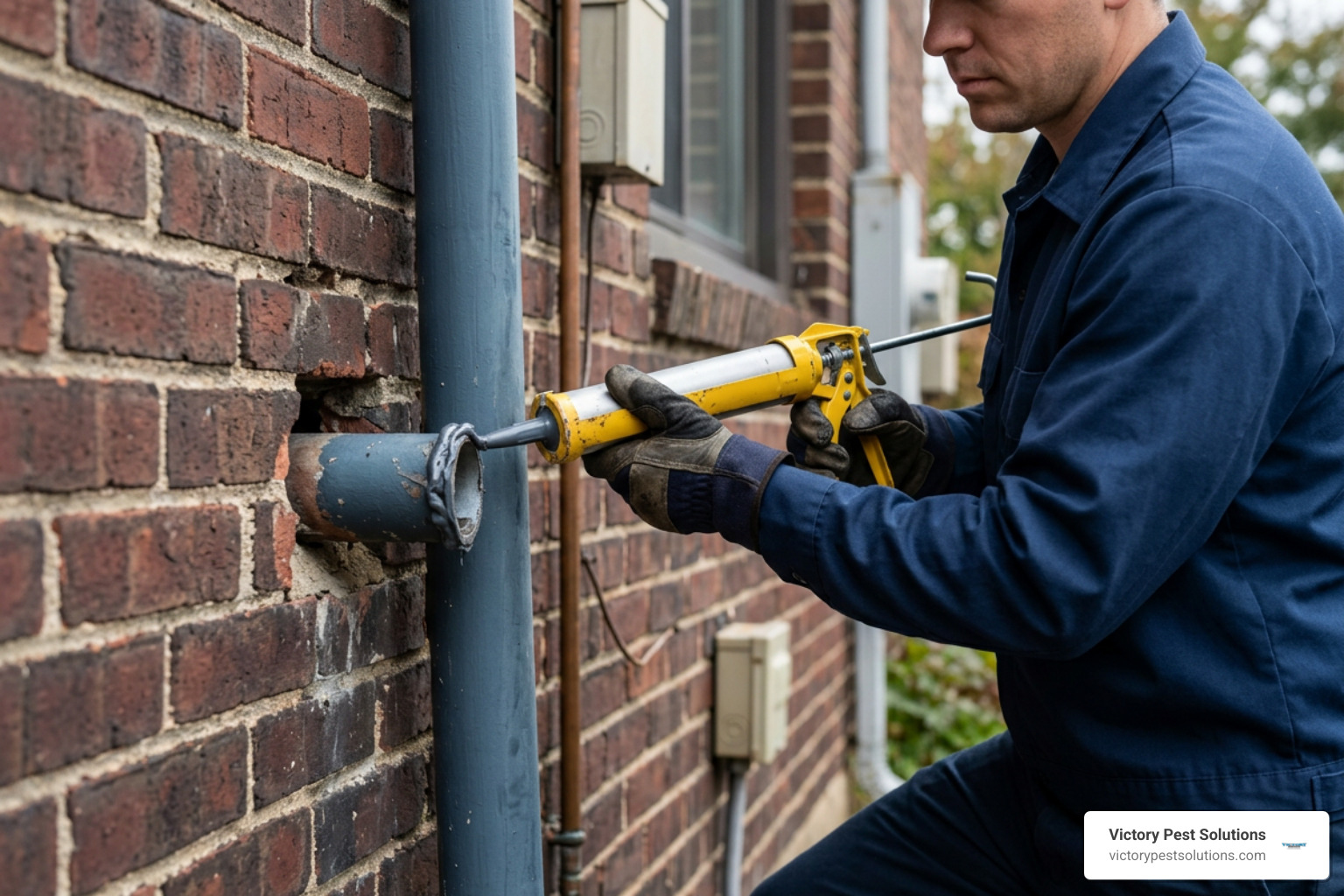
Rodents present severe structural and economic risks beyond health compliance. Understanding the true scope of property damage caused by rodents highlights why prompt intervention is crucial; mice frequently chew through insulation and live electrical wiring, creating dangerous fire hazards in multi-unit buildings.
Maintaining property sanitation and hygiene also aligns directly with established rodent prevention standards from the New York State Department of Health, which mandate strict pest minimization protocols for public-facing commercial facilities. Implementing structured daily walk-throughs and staff reporting logs ensures that early signs of rodent intrusion are flagged and resolved immediately by professional technicians.
Traditional Extermination vs. Permanent Rodent Exclusion
When dealing with mice, commercial property owners typically face two approaches: traditional chemical extermination (short-term population knockdown) and structural rodent exclusion (long-term mechanical barrier defense).
Traditional extermination focuses almost entirely on managing the existing population using traps and rodenticide baits. While effective at killing active rodents, traditional visits often last only an hour or two without addressing the physical gaps that allowed the rodents inside in the first place. When building managers rely solely on chemicals, mice often die within inaccessible wall voids, which can result in unpleasant odors and costly drywall removal exceeding $500 per incident. Furthermore, reliance on bait alone risks secondary exposure to non-target animals if poisoned mice wander into public areas.
Permanent exclusion shifts the focus to structural defense. Technicians perform an exhaustive exterior and interior audit, retrofitting vents, securing door sweeps, and sealing every crevice larger than a quarter-inch (the diameter of a standard pencil) using rodent-proof materials such as heavy-gauge wire mesh, copper mesh, and elastomeric sealants.
Investing in long-term commercial rodent proofing provides lasting protection that dramatically lowers your overall operational overhead over time.
| Feature / Metric | Traditional Extermination (Recurring Chemical Service) | Permanent Rodent Exclusion (Integrated Physical Barrier) |
|---|---|---|
| Primary Method | Rodenticide bait blocks, snap traps, glue boards | Physical gap sealing, door sweeps, wire mesh, barrier hardware |
| Average Initial Cost | $75 (single visit) to $240 (90-day plan) | $400 – $500 for standard building layouts |
| Ongoing Monthly Fees | ~$50/month ($600/year) | $0 recurring fees (optional annual maintenance review) |
| 5-Year Total Cost | ~$2,700 over 5 years | ~$540 total (initial project + minor warranty checks) |
| 5-Year Net Savings | Baseline cost | Saves ~$2,160 over five years |
| Risk of Dead Mice in Walls | High (rodents expire behind baseboards/drywall) | Extremely Low (pests are physically blocked from nesting) |
| Safety Profile | Potential bait handling hazards in sensitive areas | Non-toxic, eco-friendly, and safe for guests and staff |
Choosing the Right Mice Exterminator for Urban Facilities
Managing mouse activity in dense urban hubs like Manhattan requires specialized expertise. Standard suburban approaches do not work in interconnected urban properties sharing utility lines, steam tunnels, and party walls. Effective pest management demands a holistic methodology based on Integrated Pest Management (IPM).
Employing Manhattan integrated pest management strategies ensures that physical exclusion, sanitation upgrades, and targeted mechanical controls work together to solve the root cause of rodent entry without unnecessary pesticide use.
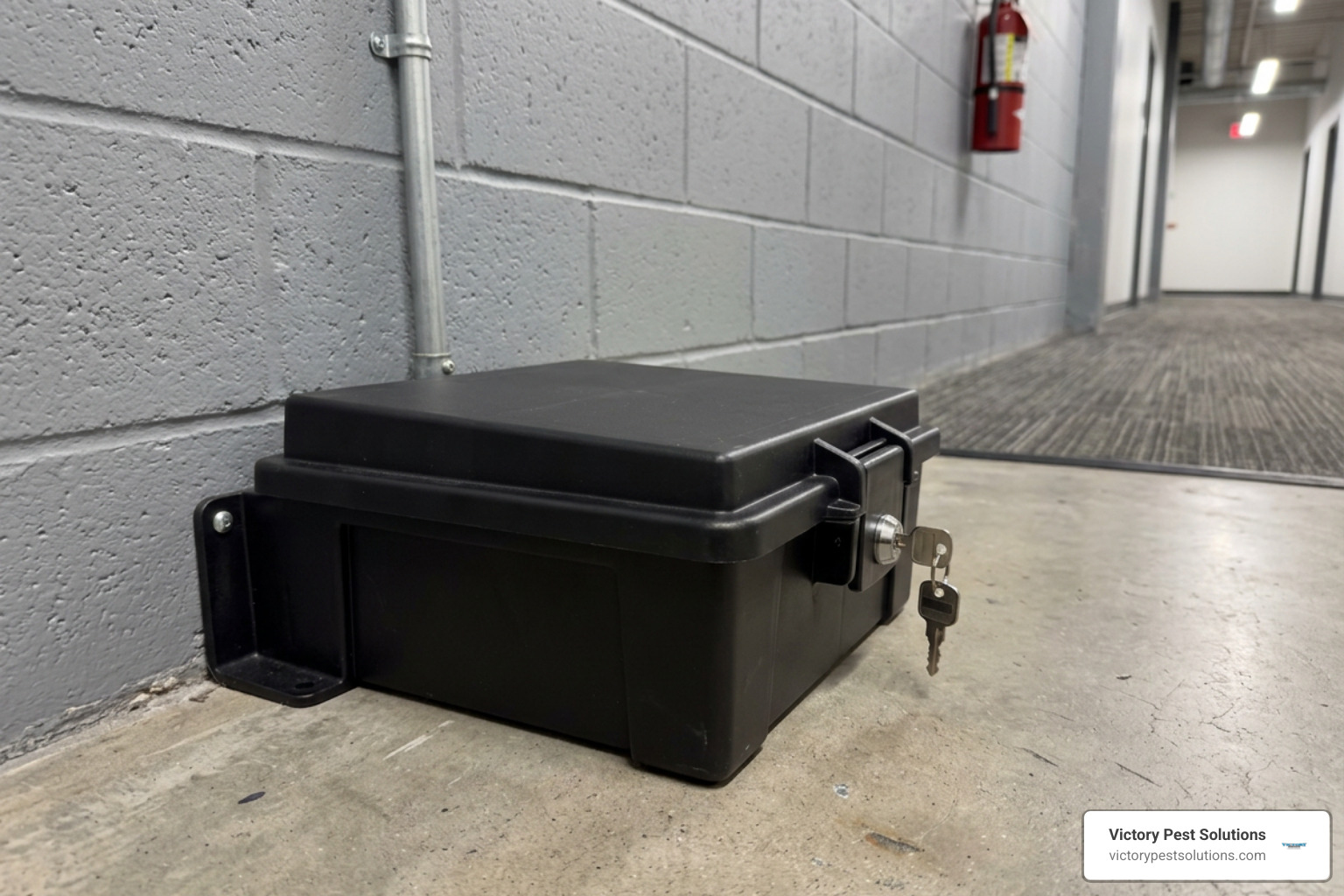
Vetting a Qualified Mice Exterminator in NYC
When evaluating commercial pest control providers for your facility, ensure the company meets the following criteria:
- Commercial Licensing & Insurance: Ensure technicians hold state-certified commercial applicator licenses and carry comprehensive liability insurance suited for hospitality and healthcare sites.
- 24/7 Emergency Responsiveness: Rodent sightings during peak dinner service or guest check-in require rapid, discreet response capabilities.
- Documented IPM Protocols: The provider should supply clear, digital logs of all monitoring stations, product applications, and sanitation recommendations for municipal health inspectors.
- Clear Guarantees and Warranties: Reputable companies stand behind their exclusion work with defined warranty periods, returning to seal any newly discovered structural gaps at no added labor cost.
- Hospitality Expertise: Tailored hotel rodent prevention programs take guest privacy, quiet hours, and discreet servicing into account to maintain an uninterrupted guest experience.
Average Mice Exterminator Cost and Pricing Factors
Mouse control pricing varies depending on the operational requirements of your facility:
- Facility Footprint & Layout: A boutique café requires fewer monitoring devices and less labor than a multi-story hotel with complex basement utility tunnels and multiple food storage zones.
- Severity of Activity: Light seasonal mouse activity caught early requires less labor and materials than an established multi-floor infestation.
- Structural Age and Architecture: Historic brick structures, decorative facades, and older buildings with multiple utility penetrations demand more intensive exclusion labor than modern construction.
- Service Frequency: Standard one-time knockdown visits average $75, while 30-day monitoring plans range from $50 to $180, and 90-day intensive commercial plans range from $85 to $240. Comprehensive physical exclusion projects typically average $400 to $500 for standard commercial layouts, providing substantial long-term value over recurring exterminator fees.
Frequently Asked Questions About Mouse Eradication
How long does it take to completely get rid of mice?
Initial population reduction is typically achieved within 24 to 72 hours using targeted trapping and secure monitoring arrays. Complete eradication—including trapping remaining interior rodents and completing all structural exclusion seals—usually takes between 7 and 21 days depending on building complexity.
Are mouse extermination treatments safe for guests, staff, and pets?
Yes. Modern commercial rodent control utilizes tamper-resistant, lockable bait stations and non-toxic mechanical snap traps placed discreetly behind baseboards, in ceiling voids, and inside locked utility spaces. All applications comply strictly with EPA regulations and local health guidelines.
Do building occupants need to leave during mouse treatment?
No evacuation is needed. Standard commercial mouse eradication and structural exclusion are quiet, non-invasive processes designed to operate seamlessly during regular business hours without disrupting staff, diners, or hotel guests.
Protecting Your Hospitality Facility from Rodent Invasions
Relying solely on temporary baiting provides short-lived relief while leaving your facility vulnerable to future rodent activity. Sustainable rodent defense requires a balanced approach: thorough inspections, comprehensive physical exclusion, and continuous IPM monitoring to protect your property, your guests, and your brand reputation.
At Victory Pest Solutions, we provide 24/7 proactive commercial pest management and exclusion programs tailored specifically to high-traffic hospitality, healthcare, and commercial facilities across New York.
Contact our team today for professional NYC rodent control and mice exterminators to schedule a comprehensive commercial property assessment.